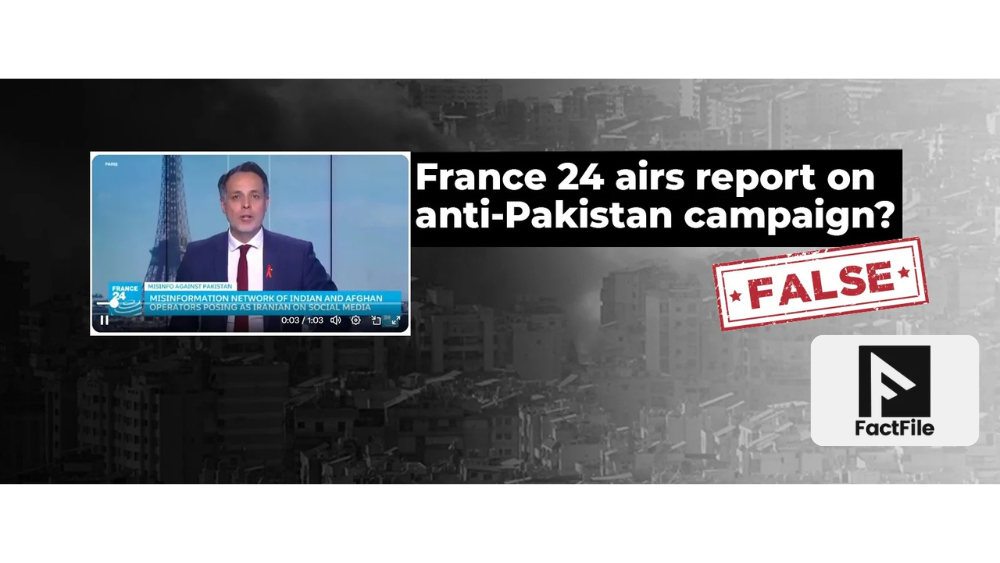
AI video France 24 anti-Pakistan campaign claims have gone viral after a fabricated clip falsely attributed to France 24 misled thousands of viewers online. The video surfaced on social media platforms earlier this week, misleading viewers into believing a global broadcaster had endorsed a controversial narrative targeting Pakistan. Fact-checkers quickly stepped in, confirming the content was fabricated using artificial intelligence tools, highlighting the growing threat of misinformation in the digital age.
What Happened: Viral Video Misleads Viewers
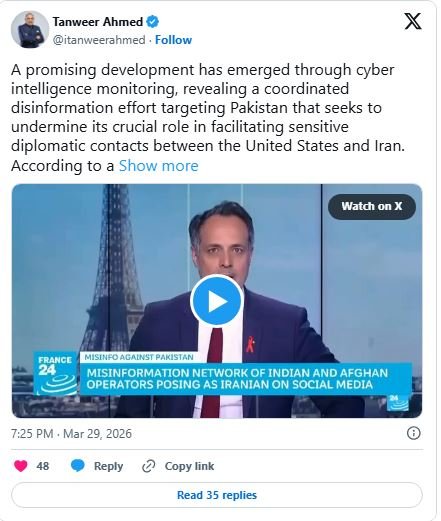
The controversy began when a short video clip started circulating widely on platforms like X (formerly Twitter), Facebook, and WhatsApp. The clip appeared to feature a professional news segment, complete with logos, newsroom visuals, and a presenter resembling those seen on France 24.
The video falsely claimed that an organized anti-Pakistan campaign was being exposed internationally. However, upon closer inspection, several inconsistencies were noted:
- The anchor’s voice appeared synthetic
- Lip movements were slightly out of sync
- Graphics did not match official broadcast templates
- No such report existed on official France 24 channels
These red flags led fact-checking organizations to investigate further.
Fact-Check: No Such Report by France 24
Independent fact-checkers and media analysts confirmed that France 24 had not broadcast any such report. A search through their official website, YouTube channel, and verified social media accounts revealed no evidence supporting the claim.
Experts identified the video as an AI-generated deepfake, likely created using advanced tools capable of mimicking real news environments. This incident is part of a growing trend where malicious actors exploit trusted media brands to spread false narratives.
According to analysts, such content is designed to:
- Manipulate public opinion
- Create political or social unrest
- Damage credibility of legitimate news outlets
How AI-Generated Fake News Is Evolving

The rise of artificial intelligence has made it easier than ever to produce realistic-looking fake content. Using deepfake technology, creators can replicate:
- News anchors and reporters
- Voice patterns and accents
- Studio backgrounds and branding
This particular case of the AI video France 24 anti-Pakistan campaign demonstrates how convincingly these tools can be used to deceive audiences.
Why It’s Dangerous
AI-generated misinformation poses serious risks:
- Erosion of trust: People begin doubting real news sources
- Rapid spread: Fake content goes viral faster than corrections
- Emotional manipulation: Content is designed to provoke strong reactions
Experts warn that as technology improves, distinguishing between real and fake content will become increasingly difficult.
Public Reaction and Social Media Impact
The fake video quickly gained traction, with thousands of shares and comments before it was flagged. Many users initially believed the clip to be authentic, given its professional appearance.
However, once fact-checks emerged, a wave of users began calling out the misinformation. Digital literacy advocates used the moment to remind audiences of the importance of verifying sources before sharing content.
Some users also criticized the misuse of international media branding, stating it undermines the credibility of global journalism.
Official Response and Media Responsibility
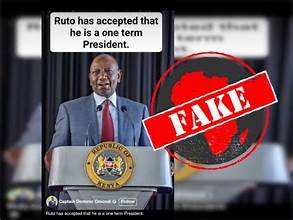
While France 24 has not issued a detailed statement on this specific clip, media experts emphasize that reputable organizations consistently maintain transparency through verified channels.
Journalists and communication specialists stress the need for:
- Stronger platform moderation
- AI detection tools
- Public awareness campaigns
Governments and tech companies are also under pressure to regulate the misuse of AI in spreading false information.
How to Identify Fake AI Videos
To avoid falling victim to similar misinformation, experts recommend checking the following:
Key Signs of AI-Generated Content
- Unnatural facial expressions or blinking
- Slight audio-video mismatch
- Unverified or missing source links
- Sensational or emotionally charged claims
Best Practices for Users
- Cross-check with official news websites
- Look for coverage from multiple credible sources
- Avoid sharing unverified content
- Use fact-checking platforms
The Bigger Picture: A Growing Misinformation Challenge
The AI video France 24 anti-Pakistan campaign incident is not an isolated case. Globally, misinformation fueled by AI is becoming a major concern for governments, media organizations, and the public.
From fake political speeches to fabricated news reports, the misuse of AI is reshaping the information landscape. Experts believe that combating this trend will require a combination of technology, regulation, and public awareness.
Staying Vigilant in the Age of AI
The viral fake video falsely attributed to France 24 serves as a stark reminder of how easily misinformation can spread in today’s digital world. While AI technology offers many benefits, its misuse poses serious risks to truth and trust.
As the line between real and fake continues to blur, individuals must take responsibility for verifying information before believing or sharing it. Media literacy, critical thinking, and awareness are now more important than ever.
Have you come across similar misleading content online? Share your thoughts and help raise awareness about the dangers of AI-driven misinformation.