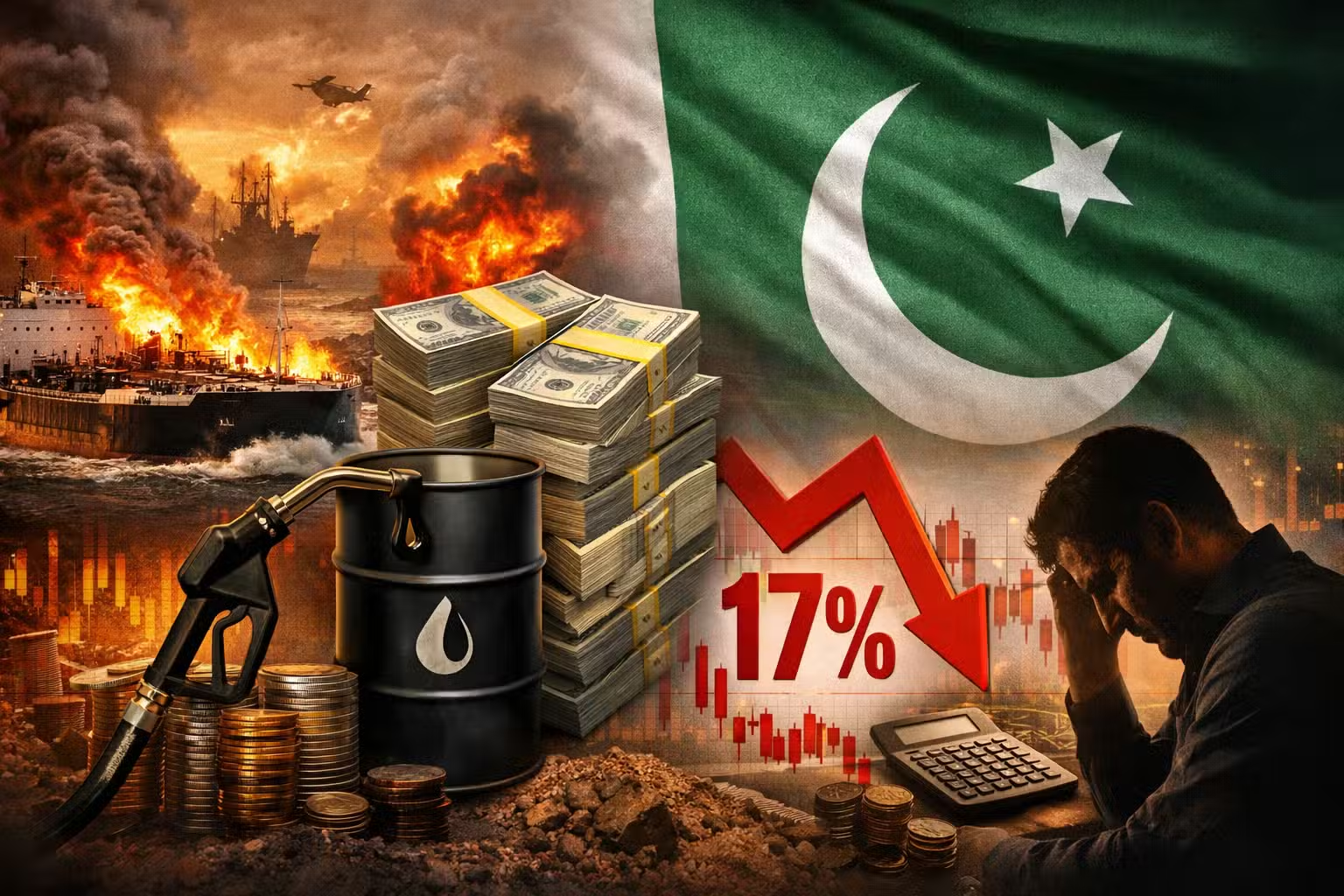
Inflation in Pakistan could surge sharply if tensions in the Middle East could pose serious economic risks for Pakistan, with global oil prices potentially surging to $120–$150 per barrel in a worst-case scenario, according to a new report by the Pakistan Institute of Development Economics (PIDE).
The report warns that disruptions in the Strait of Hormuz, a critical maritime route for Gulf oil, could drive Inflation in Pakistan sharply higher, from around 7% to between 15% and 17%. Such a shock would also push the country’s monthly oil import bill to $3.5–$4.5 billion, straining foreign reserves and worsening the trade deficit.
Why Pakistan Is Vulnerable to Oil Price Shocks
Petroleum products account for nearly 30% of Pakistan’s total imports, making the country highly sensitive to global oil price fluctuations. Economists estimate that every $10 per barrel increase in oil prices could add $1.8–$2 billion to Pakistan’s annual import bill.
Currently, with oil prices ranging from $92 to $110 per barrel, inflation in Pakistan could rise by 10–15%, and the import bill may increase by $8–$10 billion. In a severe three-month disruption scenario, inflation could climb to 15–18%, while the oil import bill may surge $18–$36 billion, significantly widening the current account deficit.
Pakistan imports roughly 80–85% of its petroleum requirements, mostly from Gulf countries via the Strait of Hormuz. Any disruption in this corridor could delay shipments, increase freight and insurance costs, and further aggravate the country’s trade deficit.
Energy Security Challenges
Pakistan’s energy reserves are currently limited, with stocks sufficient for only 10–14 days of consumption, far below regional peers like India, which maintains 65–70 days of strategic reserves. This leaves the country exposed to global energy shocks and makes inflation in Pakistan more likely to spike during supply disruptions.
The government has stated there is no immediate plan to increase LNG prices, but energy security remains a pressing concern. Temporary shutdowns of six fertilizer plants have also been considered due to LNG shortages, illustrating the fragility of domestic energy supply chains.
Economic Consequences: Inflation and Trade Deficit
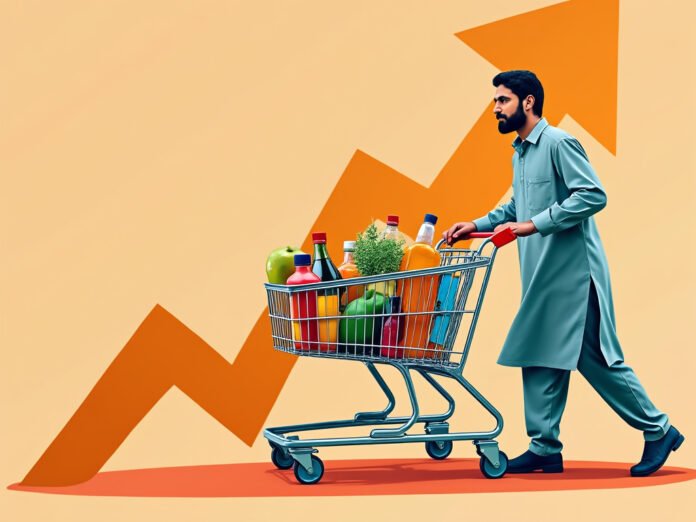
Rising energy costs will ripple through the economy:
- Higher transportation and logistics costs increase food and commodity prices
- Industrial and manufacturing sectors face higher input costs
- Household purchasing power declines as prices for essentials rise
- Trade deficit widens, with imports outpacing exports due to rising costs
In short, inflation in Pakistan could hit 17% in extreme scenarios, while the trade gap may expand dramatically, challenging policymakers and households alike.
Disruption in the Strait of Hormuz Could Trigger Economic Shock
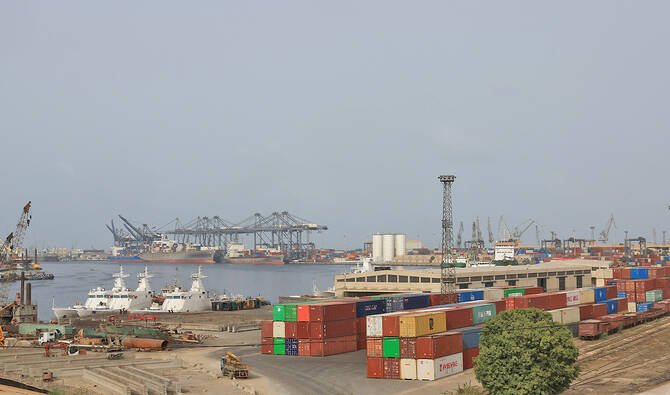
A major concern highlighted in the report is the potential disruption of oil shipments through the Strait of Hormuz, a critical maritime corridor for global energy supplies.
If geopolitical tensions disrupt the flow of oil tankers, Pakistan could face:
- Delayed oil shipments
- Higher freight and insurance costs
- Increased fuel and electricity prices
- A widening trade deficit
In a severe three-month disruption scenario, analysts warn that inflation could climb to 15 to 18 percent, while the country’s oil import bill may surge by $18 billion to $36 billion.
Such developments would place additional pressure on Pakistan’s current account balance and economic stability.
Recommendations from PIDE
The report suggests urgent measures to reduce vulnerability:
- Diversify oil import sources to avoid overdependence on a single region
- Build larger strategic petroleum reserves to buffer against supply shocks
- Invest in renewable energy to reduce reliance on imported fuels
- Explore alternative supply routes to bypass the Strait of Hormuz
Implementing these steps could help stabilize prices, protect the trade balance, and reduce the risk of inflation spikes in future crises.
Government and Policy Response
The State Bank of Pakistan (SBP) may consider monetary adjustments to control inflation expectations, while fiscal measures like subsidies on key commodities could help shield vulnerable populations. Policymakers also need to accelerate trade and energy reforms to maintain economic stability amid rising global uncertainty.
Conclusion
Rising tensions in the Gulf highlight Pakistan’s economic vulnerability. With global oil prices on the rise, inflation in Pakistan could surge to 17%, and the trade deficit may widen substantially. Strategic energy planning, export diversification, and policy interventions are critical to mitigate these risks.
What do you think Pakistan should prioritize — controlling inflation, reducing the trade deficit, or securing energy supplies? Share your views below.