
Tensions along the Pakistan Afghanistan border have escalated sharply once more. On Monday, Pakistani fighter jets struck sites in eastern Afghanistan that officials in Islamabad described as militant hideouts, breaking nearly three months of quietness between the two neighbours.
For a region already scarred by years of cross border violence and terrorism, this latest flashpoint adds fresh uncertainty to an already fragile relationship.
What Happened in This Latest Strikes
According to Pakistan’s information ministry, the airstrikes targeted what officials called “terrorist camps and hideouts belonging to Fitna al Khawarij and its affiliates,” Fitna al Khawarij is a term Pakistani authorities use to refer to the Tehreek-e-Taliban TTP Pakistan. The ministry said the operation was carried out “with precision and accuracy” based on credible intelligence, and claimed the strikes killed at least 28 militants across Afghanistan’s Paktika and Kunar provinces.
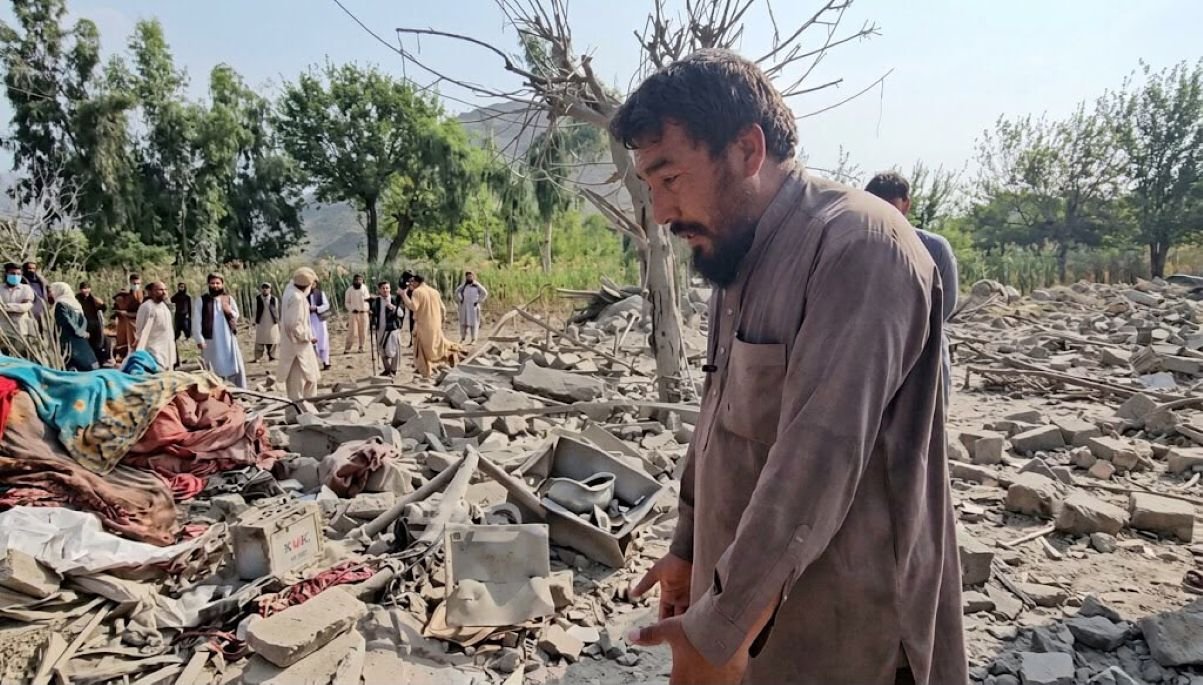
Kabul tells a strikingly different story. The Taliban run Afghan government reported far fewer casualties, and described them very differently. Taliban deputy spokesperson Hamdullah Fitrat said one house in Kunar province was hit, killing three members of the same family and injuring four others. In Paktika, he said two locations were bombed, destroying a shop and an empty house.
How Both Governments Have Responded
Afghan officials did not hold back in their reaction. Zabihullah Mujahid, chief spokesperson for the Taliban-run government, accused Pakistan directly of targeting civilians rather than militants. “Last night, once again, Pakistani invading forces bombed civilian areas in Afghanistan’s Kunar and Paktika provinces,” he wrote in a post on social media, warning that Afghanistan “will respond appropriately to this aggression.”
Pakistan has framed these strikes as a necessary response rather than unprovoked aggression. Officials pointed to two deadly attacks on Pakistani security forces near the border in recent days as the direct trigger behind Monday’s operation. Islamabad has consistently blamed the Pakistani Taliban and allied militant groups for the surge in violence. Also noting these groups operate separately from, but remain allied with, the Afghan Taliban that returned to power back in 2021.
This latest flashpoint didn’t emerge from nowhere either. It comes just days after a devastating attack on a mosque in Kohat, which was claimed by a militant group operating in the region. Pakistan’s security establishment has repeatedly argued that militant safe havens across the border make these cross-border strikes unavoidable, a claim Kabul continues to firmly reject.
Reactions From Neighbouring Countries and the Wider World
This latest escalation has not stayed confined to just the two countries involved. India’s Ministry of External Affairs issued a pointed statement condemning what spokesperson Randhir Jaiswal called Pakistan’s “aggression against Afghanistan.” Jaiswal specifically called on Islamabad to take credible action against cross-border terrorism before expecting its claims about militant targets to be believed.
The timing of these strikes has also complicated broader diplomatic efforts in the region. Reports suggest the escalation threatens to disrupt mediation attempts by regional powers, including China, which has invested significant diplomatic energy trying to stabilize relations between Islamabad and Kabul.
What is Driving This Cycle of Violence
Understanding why this keeps happening requires looking at the bigger picture. Hundreds of people have reportedly been killed in cross-border fighting since February this year alone, when Afghanistan launched retaliatory strikes following an earlier round of Pakistani airstrikes on Afghan territory. That earlier exchange set a troubling precedent, one where each side’s military action seems to invite a corresponding response from the other.
Security analysts have long pointed out that Pakistan’s insurgency problem involves multiple competing militant groups with different ideologies and support networks, united mainly by their shared opposition to the Pakistani state. Untangling which specific group carried out which specific attack becomes genuinely difficult amid this militant landscape.
For ordinary people, the human cost keeps mounting regardless of which government’s version of events proves more accurate. Whether renewed diplomatic pressure from regional players like China can eventually calm this latest flare-up remains to be seen, but for now, the cycle of strikes, denials, and counter-accusations continues largely unbroken.