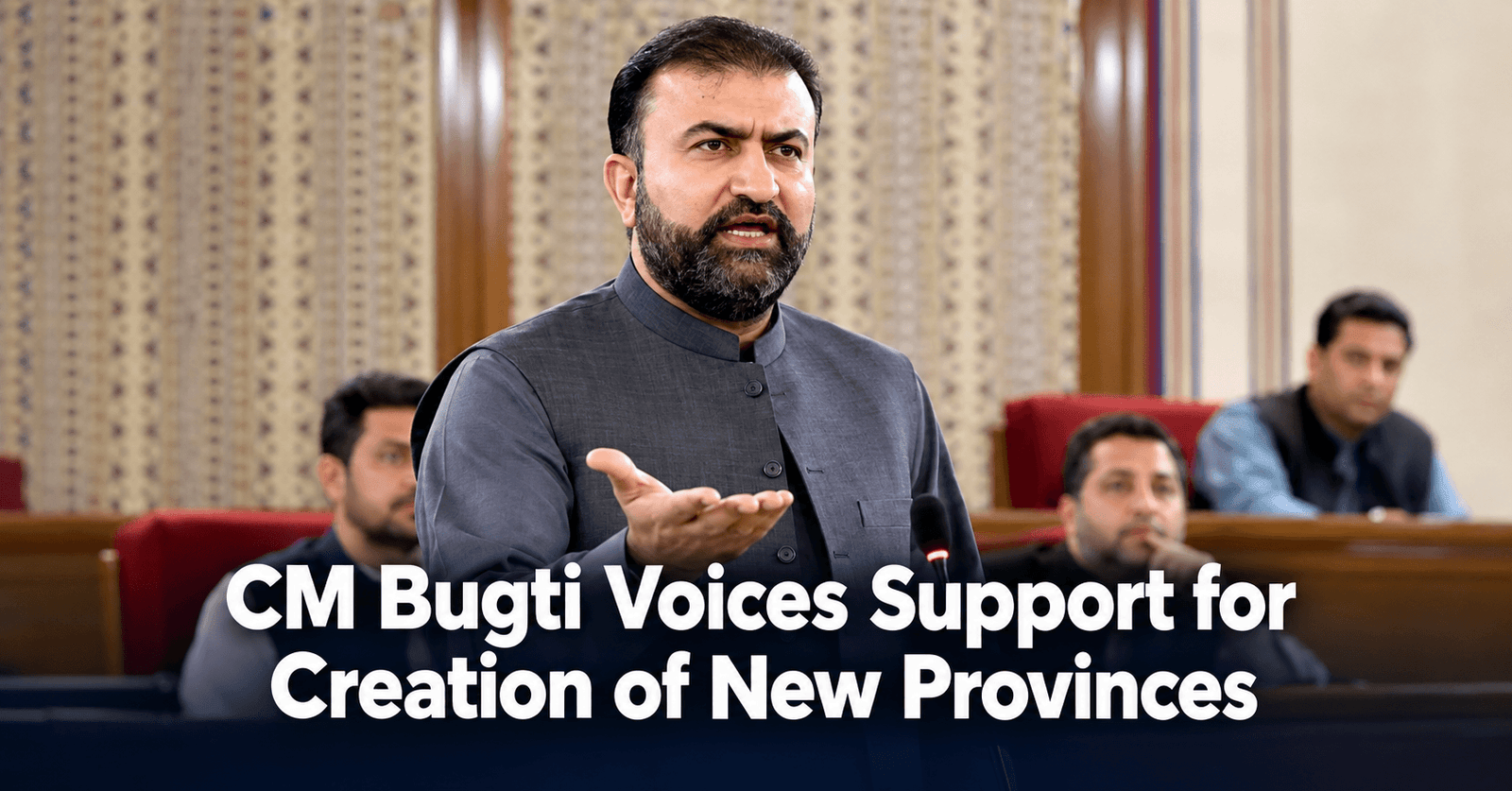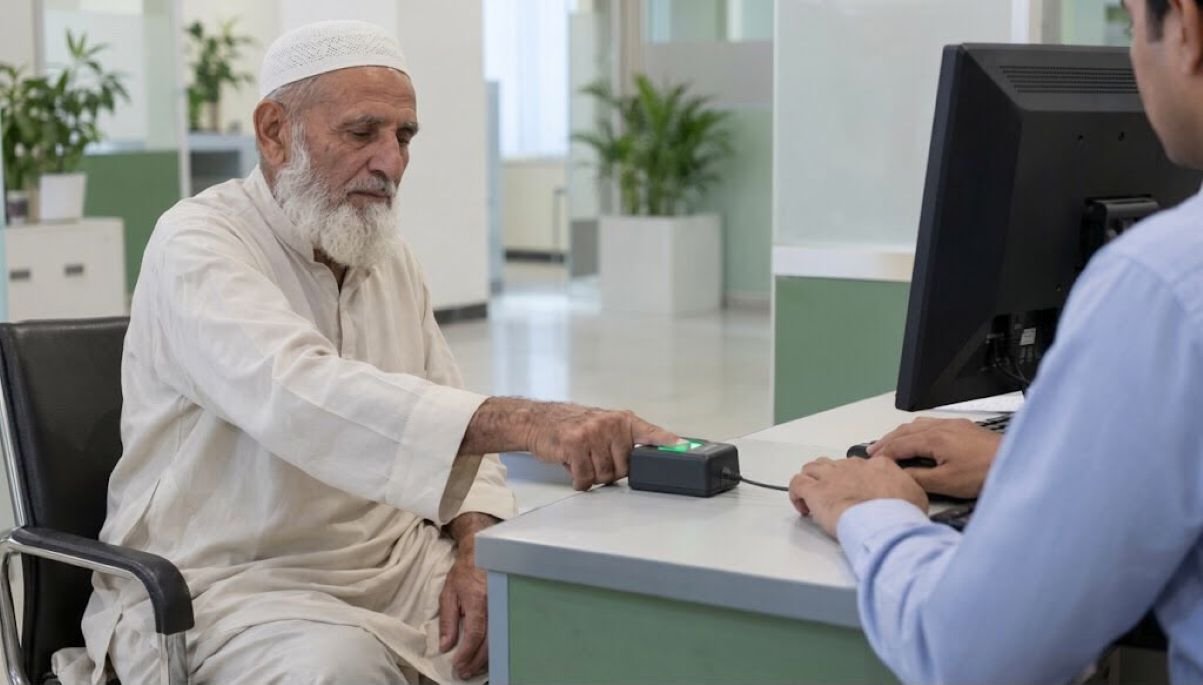
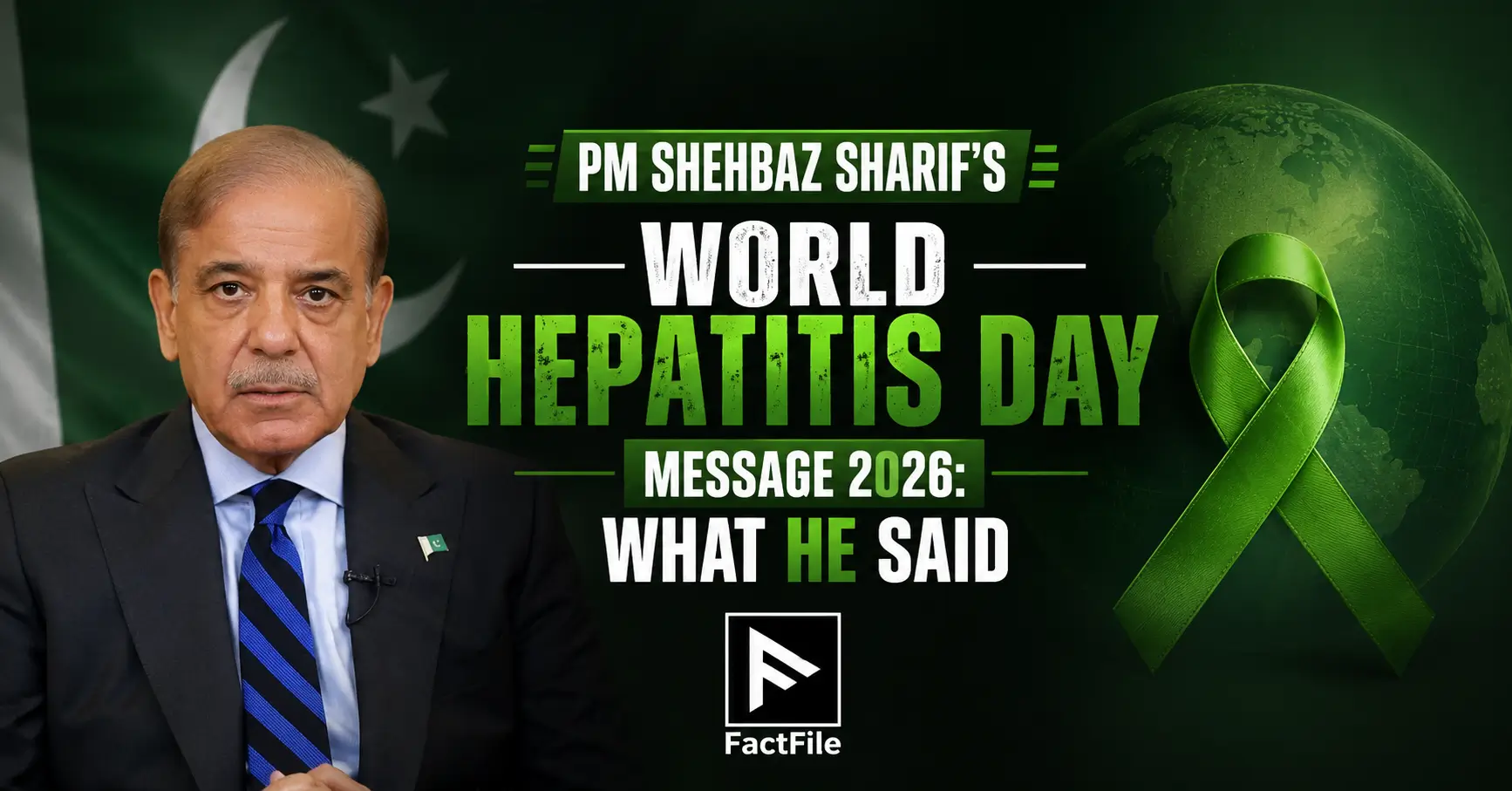

In his official message, PM Shehbaz Sharif said equitable access to screening, diagnosis and treatment “remained one of the government’s foremost priorities.” He described Pakistan’s participation in the global elimination push as an unwavering commitment, not a symbolic gesture.
He went further, invoking scientific innovation and public participation as the twin pillars of success. “On this World Hepatitis Day, let us renew our pledge to build a healthier Pakistan,” he said, expressing confidence that collective effort would help Pakistan meet its 2030 target.
Pakistan’s Hepatitis C Burden: The Numbers Behind the Message
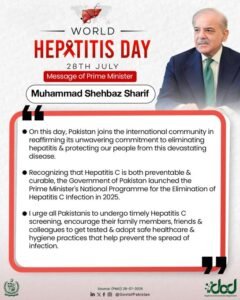
The scale of the problem explains the urgency. Health officials and the World Health Organisation have repeatedly flagged Pakistan as carrying one of the highest hepatitis caseloads globally, with roughly 10 million Hepatitis C infections recorded nationwide in recent assessments.
Combined hepatitis B and C cases push closer to 12 million people, according to WHO estimates cited by Pakistani officials, with an estimated 150,000 new infections added every year. Unsafe injections, syringe reuse and poor sterilisation of medical equipment remain the leading drivers of transmission.
Inside the PM’s National Programme for Hepatitis C Elimination

The centrepiece of Islamabad’s response is the Prime Minister’s National Programme for the Elimination of Hepatitis C Infection, launched in 2025. PM Shehbaz Sharif called it a “historic and unprecedented initiative” designed to deliver free screening, confirmatory testing and treatment to millions of citizens.
Officials say the programme carries a budget of roughly Rs67 billion. Screening and treatment services have already begun in Islamabad, with major public hospitals participating and mobile screening units extending coverage into harder-to-reach communities.
- Free screening, confirmatory testing and treatment for enrolled patients
- Mobile screening units deployed alongside fixed hospital-based services
- Pilot phase extended to Islamabad, Azad Jammu and Kashmir, and Gilgit-Baltistan
- Target of screening well over 100 million people nationwide by 2030
- No financial burden on patients requiring further diagnostic evaluation
Government Crackdown on Syringe Reuse and Unsafe Practices
Beyond screening, the government has moved on prevention. PM Shehbaz Sharif confirmed a complete ban on the manufacture, distribution and reuse of substandard syringes, calling unsafe injection practices a major driver of new infections.
READ MORE: Kuwait foreign minister due in Pakistan today to discuss regional developments
The Drug Regulatory Authority of Pakistan has been directed to strictly enforce mandatory use of auto-disable syringes. Hospitals and clinics now face tightened infection-control protocols, with accountability measures introduced for any lapses in compliance.
World Hepatitis Day 2026: Global Theme and Islamabad’s Response

This year’s World Health Organisation campaign runs under the theme “Hepatitis Let’s Break It Down,” urging governments to dismantle the financial, social and health-system barriers blocking access to care. A high-level WHO commemoration is being held alongside the AIDS 2026 conference.
Pakistan’s message aligns closely with that global framing. PM Shehbaz Sharif specifically credited doctors, nurses and laboratory professionals as frontline actors in the elimination drive, urging them to maintain what he called exemplary standards of professional service.
Pakistan’s Hepatitis C Elimination Programme at a Glance
| Metric | Detail |
|---|---|
| Programme launch | 2025 (Prime Minister’s National Programme) |
| Estimated budget | Approx. Rs67 billion |
| National elimination target | 2030 |
| Current Hepatitis C caseload | Approx. 10 million |
| Combined Hepatitis B & C cases | Approx. 12 million |
| New infections annually | Approx. 150,000 |
| Pilot regions | Islamabad, AJK, Gilgit-Baltistan |
| Key prevention step | Ban on substandard/reused syringes |
The table above condenses figures drawn from official PMO statements and WHO country data, giving readers a single reference point instead of scattered percentages across multiple reports.
What Comes Next on the Road to 2030
The real test lies in scale-up. Pilot screening in three regions is a modest start against a caseload spread across every province, and provincial health departments will need sustained funding to keep pace with Islamabad’s targets.
PM Shehbaz Sharif has also ordered comprehensive screening across public hospitals nationwide, a directive issued during a health ministry review earlier this year. Whether that order translates into consistent testing at the district level will determine if the 2030 goal stays realistic.
Pakistan has set an ambitious deadline for itself. The coming years will show whether political messaging on World Hepatitis Day converts into the screening booths, free medicines and safer clinics that millions of patients are still waiting on.