
The petrol price increase in Pakistan has once again shocked citizens after the federal government announced a massive hike in fuel prices late Friday night. The government raised the price of Motor Spirit (MS) petrol by Rs55 per litre, while high-speed diesel (HSD) also increased by Rs55 per litre, significantly raising transportation and energy costs across the country.
Following the adjustment, petrol is now priced at Rs321.17 per litre, while high-speed diesel has surged to Rs335.86 per litre. The revised rates came into effect immediately from Saturday, March 6, 2026, according to officials.
The announcement was made during a late-night press conference by Deputy Prime Minister Muhammad Ishaq Dar, Finance Minister Muhammad Aurangzeb, and Federal Petroleum Minister Ali Pervez Malik. Officials stated that the increase was unavoidable due to global oil market pressures and economic commitments.
The sudden price hike has sparked concern among consumers and businesses already struggling with inflation and rising living costs.
Government Announces Major Fuel Price Hike

The federal government confirmed the revised petroleum prices after reviewing recommendations from energy regulators and economic advisors.
According to officials, the increase reflects the rising cost of importing petroleum products and the government’s need to align domestic prices with global oil market trends.
Under the new pricing structure:
- Petrol price: Rs321.17 per litre
- High-speed diesel price: Rs335.86 per litre
- Increase in petrol: Rs55 per litre
- Increase in diesel: Rs55 per litre
- Implementation date: March 6, 2026
Authorities emphasized that fuel prices in Pakistan are reviewed regularly, usually every two weeks, based on international market trends and the exchange rate of the Pakistani rupee.
Petroleum Levy Adjustment on Diesel
Alongside the price increase, the government also adjusted the petroleum levy on diesel.
Sources revealed that the petroleum levy on high-speed diesel was reduced from Rs76.21 per litre to Rs55.20 per litre. The reduction was introduced to partially offset the impact of rising international oil prices.
However, despite the levy reduction, the overall price of diesel still increased sharply due to surging global crude oil prices and currency pressures.
Energy analysts say the government is attempting to balance revenue needs while maintaining compliance with international financial commitments.
Middle East Driving Global Oil Prices
One of the key reasons behind the petrol price increase in Pakistan is the growing geopolitical tension in the Middle East.
Recent instability in the region has disrupted commodity markets and raised fears about oil supply routes. As a result, global crude oil prices have climbed sharply, affecting fuel-importing countries like Pakistan.
Market experts say geopolitical conflicts often lead to:
- Higher oil prices
- Supply disruptions
- Increased shipping costs
- Market speculation and volatility
Since Pakistan relies heavily on imported petroleum products, international price fluctuations quickly translate into higher domestic fuel prices.
IMF Pressure to Pass Fuel Costs to Consumers
Another major factor behind the price increase is pressure from the International Monetary Fund (IMF).
Earlier, the IMF urged Pakistan to immediately pass rising petroleum costs to consumers instead of providing subsidies on petrol and diesel.
The international lender has repeatedly emphasized that energy subsidies place heavy pressure on government finances and can destabilize fiscal reforms.
Economic experts say the government is following IMF guidelines to ensure continued financial support and economic stability.
These reforms often include:
- Removing fuel subsidies
- Adjusting energy prices regularly
- Strengthening revenue collection
- Reducing fiscal deficits
While such measures may help stabilize the economy in the long term, they often lead to short-term financial pressure on citizens.
Previous Fuel Price Increase Just a Week Ago
The latest hike comes shortly after another fuel price adjustment announced just a week earlier.
Before the latest increase:
- Petrol price: Rs266.17 per litre
- High-speed diesel: Rs280.86 per litre
The new increase means petrol prices have jumped by Rs55 within a short period, raising concerns about the pace of fuel inflation.
Analysts say repeated price hikes can quickly affect the overall cost of living, especially in a country where transportation plays a critical role in supply chains.
Impact on Transport and Inflation
The petrol price increase in Pakistan is expected to have a widespread economic impact.
Fuel is a key component in transportation, manufacturing, and agriculture. When fuel prices rise, the cost of goods and services often increases as well.
Industries most likely to feel the impact include:
Transportation Sector
Public transport operators may increase fares due to higher fuel costs. Bus, van, and ride-hailing services are particularly sensitive to fuel price fluctuations.
Agriculture
Farmers rely on diesel-powered machinery and transportation to move crops. Rising diesel prices can increase agricultural production costs.
Logistics and Supply Chains
Trucks transporting goods across the country will face higher fuel expenses, which may lead to higher prices for food and consumer products.
Household Budgets
Consumers may experience indirect inflation as businesses pass on additional costs to customers.
Public Reaction to the Fuel Price Surge
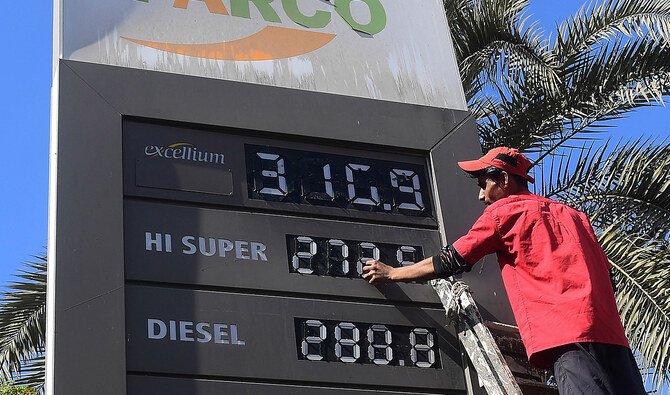
The announcement of the fuel price hike quickly triggered reactions from citizens across Pakistan.
Many commuters and workers expressed concern about how the rising fuel costs will affect their daily expenses.
For millions of Pakistanis, transportation costs already take up a significant portion of monthly income.
Small business owners also fear the increase will reduce consumer purchasing power, making it harder to maintain profitability.
Social media platforms were flooded with criticism and debates about government economic policies and rising living costs.
Economic Experts Share Their Views
Energy experts believe that while fuel price adjustments are necessary to maintain fiscal discipline, the government should also introduce measures to protect vulnerable communities.
Some economists recommend the following steps:
- Targeted subsidies for low-income households
- Improved public transportation systems
- Investment in renewable energy
- Encouraging fuel-efficient vehicles
These policies could help reduce Pakistan’s long-term dependence on imported petroleum products.
Long-Term Energy Challenges for Pakistan
Pakistan’s heavy reliance on imported fuel continues to pose economic challenges.
Fluctuations in global oil markets, currency depreciation, and geopolitical instability all influence domestic fuel prices.
Experts say the country needs a long-term strategy focused on energy diversification.
Possible solutions include:
- Expanding solar and wind energy projects
- Promoting electric vehicles
- Strengthening domestic energy production
- Improving fuel efficiency standards
Such initiatives could help reduce the economic shock of future fuel price increases.
What Happens Next?
Government officials say fuel prices will continue to be reviewed periodically based on international market trends.
If global oil prices remain volatile due to geopolitical tensions, further adjustments could occur in the coming months.
However, authorities say they are closely monitoring the situation and assessing economic conditions before making any future decisions.
Outlook!
The latest petrol price increase in Pakistan has once again highlighted the country’s vulnerability to global energy markets. With petrol now priced at Rs321.17 per litre and diesel at Rs335.86 per litre, the new rates are expected to place additional pressure on consumers and businesses already dealing with inflation.
While the government argues that the increase is necessary due to global oil price volatility and IMF commitments, many Pakistanis are concerned about rising living costs and economic uncertainty.
As global energy markets remain unpredictable, fuel prices will likely continue to be a key issue shaping Pakistan’s economic landscape in the months ahead.