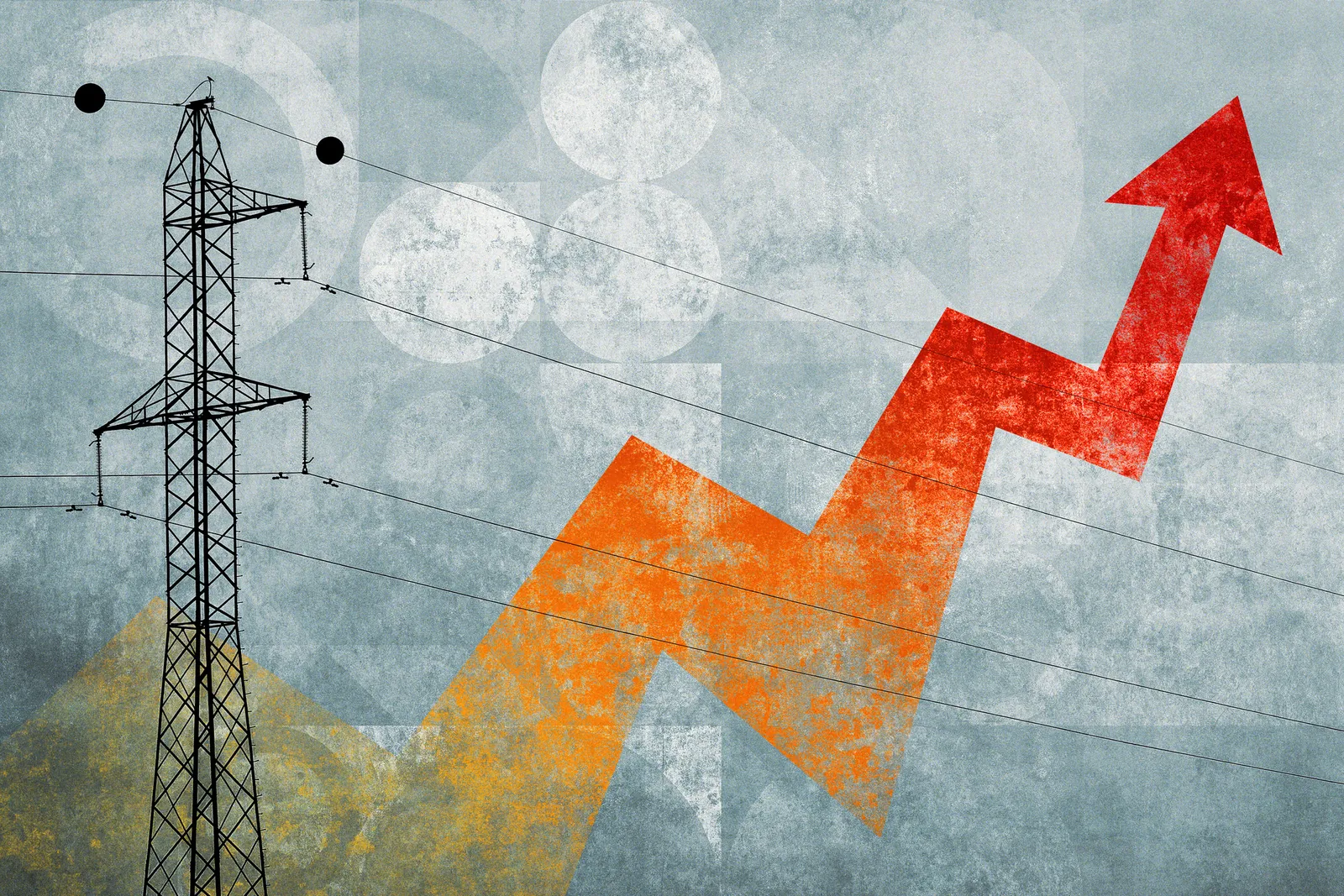

The idea of electricity and gas bills linked to income is gaining attention as policymakers explore new ways to make utility costs more affordable and equitable.
Governments in several countries, including proposals discussed by the Government of Pakistan, are considering systems that adjust electricity and gas charges based on household earnings. The plan, which could roll out in the coming years if approved, aims to reduce financial pressure on low-income families while ensuring wealthier consumers pay closer to actual energy costs.
Officials say the move could help manage rising energy subsidies, improve revenue collection, and create a fairer pricing structure.
What Does Linking Utility Bills to Income Mean?
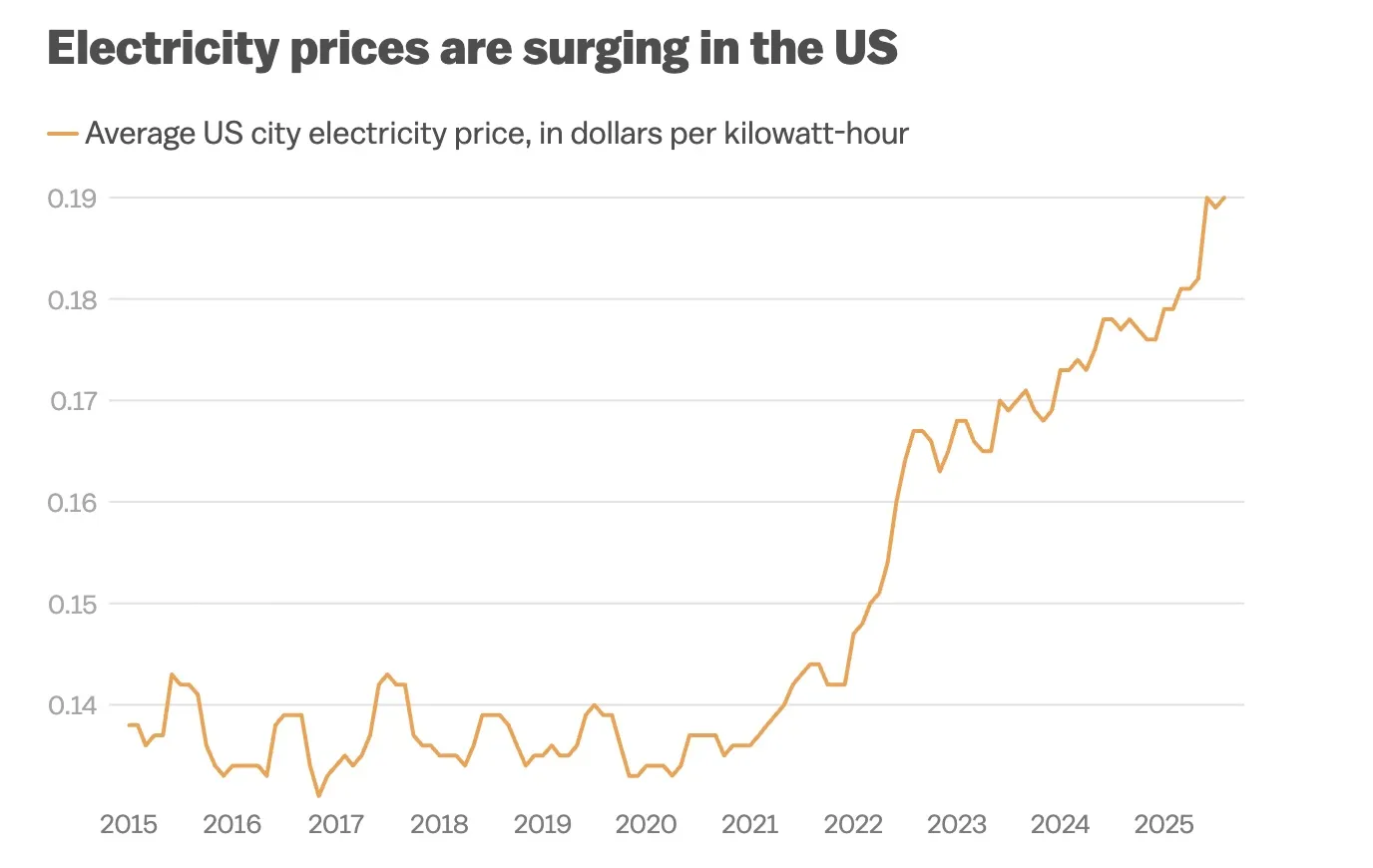
The concept of linking electricity and gas bills to income involves adjusting energy tariffs according to a consumer’s financial capacity. Instead of uniform pricing for all households, charges would vary based on earnings or income brackets.
Under such a system:
- Low-income households may pay reduced rates.
- Middle-income groups could pay standard charges.
- High-income households may face higher tariffs or fewer subsidies.
The goal is to distribute energy costs more equitably and reduce the burden on financially vulnerable citizens.
Energy pricing reforms are becoming increasingly important as governments worldwide struggle with growing energy demand, rising fuel costs, and limited public resources.
Why Governments Are Considering Income-Based Utility Pricing
Rising Energy Subsidy Burden
Many governments spend billions on energy subsidies each year to keep electricity and gas affordable. However, blanket subsidies often benefit wealthy households more than the poor.
By linking bills to income, policymakers aim to ensure subsidies reach those who truly need them.
Economic Pressures and Fiscal Challenges
Countries facing economic challenges, including high inflation and budget deficits, are under pressure to reform subsidy systems. International financial institutions like the International Monetary Fund have often recommended targeted subsidy programs to reduce public spending.
Income-based pricing could help reduce government expenses while maintaining social protection.
Fair Distribution of Resources
Supporters argue that energy is a basic necessity and should remain affordable for all. However, they believe wealthier households should not receive the same level of subsidy as low-income families.
This approach promotes what policymakers describe as “progressive energy pricing.”
How the System Could Work?
Although details vary by country, proposed models for electricity and gas bills linked to income generally follow similar structures.
1. Income Data Integration
Authorities may use tax records, national databases, or income declarations to determine household earning levels. Energy tariffs would then be assigned based on verified income.
2. Tiered Tariff Structure
Different pricing tiers could be introduced:
- Low-income households: Discounted electricity and gas rates
- Middle-income households: Standard rates
- High-income households: Higher tariffs or full-cost pricing
3. Targeted Subsidy Delivery
Instead of providing general subsidies, governments would deliver financial support directly to eligible households.
4. Digital Monitoring Systems
Smart meters and digital billing systems could help implement the policy efficiently and ensure transparency.
However, implementation would require strong data protection measures and administrative capacity.
Potential Benefits of Income-Based Energy Bills
Greater Affordability for Low-Income Families
The biggest advantage is financial relief for vulnerable households struggling with rising energy costs. Reduced tariffs could help families manage essential expenses.
Efficient Use of Public Funds
Targeted subsidies prevent unnecessary government spending on households that do not need financial assistance.
Encouragement of Energy Conservation
Higher-income households paying full or higher rates may become more conscious of energy consumption, promoting sustainability.
Improved Revenue Collection
Governments could recover more costs from those who can afford to pay, reducing circular debt in the energy sector.
Concerns and Criticism Surrounding the Proposal
Despite potential benefits, the idea of linking electricity and gas bills to income has sparked debate.
Privacy and Data Security Issues
Critics worry about the use of personal financial data for billing purposes. Ensuring data protection and preventing misuse would be essential.
Administrative Complexity
Implementing income-based pricing requires advanced systems, accurate income records, and coordination among multiple government departments.
Without proper infrastructure, errors in billing or eligibility could occur.
Risk of Misreporting Income
Some fear households may underreport income to qualify for lower tariffs, creating enforcement challenges.
Impact on Middle-Class Consumers
There is concern that middle-income groups could bear higher costs if subsidies shift primarily toward lower-income households.
Economic and Social Impact
Impact on Household Budgets
If implemented effectively, the policy could ease financial pressure on millions of families facing rising utility bills.
Energy costs often make up a large portion of household spending, particularly in developing economies.
Impact on Energy Sector Sustainability
Income-based pricing could improve financial stability in the energy sector by reducing unpaid bills and increasing revenue recovery.
Long-Term Economic Stability
Reducing subsidy burdens may help governments manage public finances, control deficits, and support economic stability.
Global Trends in Utility Pricing Reforms
The idea of linking utility costs to income is not entirely new. Several countries have experimented with targeted energy subsidies, social tariffs, or income-based assistance programs.
Examples of global practices include:
- Social electricity tariffs for low-income households.
- Direct cash transfers to help pay utility bills.
- Tiered energy pricing based on consumption levels.
These models aim to balance affordability with financial sustainability.
Challenges in Implementation
Implementing electricity and gas bills linked to income would require careful planning and policy coordination.
Key Challenges Include:
- Building reliable income databases.
- Ensuring accurate identification of eligible households.
- Protecting consumer data.
- Developing transparent billing systems.
- Educating the public about the new pricing structure.
Experts emphasize that gradual implementation and pilot programs could help address these challenges.
Public Reaction and Policy Debate
Public opinion remains divided. Some citizens support the policy as a fair approach to energy pricing, while others fear increased costs or government overreach.
Economic analysts say transparency and clear communication will be essential for public acceptance.
Policymakers must also ensure the system does not unfairly penalize specific groups or create administrative burdens.
What Happens Next?
Government authorities and regulatory bodies are expected to review feasibility studies, consult stakeholders, and assess economic impacts before finalizing any policy changes.
If approved, implementation could occur in phases, starting with pilot programs or specific income groups.
Energy experts suggest that digital infrastructure, data integration, and legal frameworks must be established before full-scale rollout.
Outlook!
The proposal for electricity and gas bills linked to income represents a major shift in how utility costs could be calculated and distributed. By adjusting energy charges according to financial capacity, policymakers aim to create a fairer system that protects vulnerable households while improving economic sustainability.
While the idea promises benefits such as targeted subsidies and reduced financial pressure on low-income families, concerns about privacy, implementation challenges, and potential cost increases remain significant. The success of such a policy will depend on transparency, strong infrastructure, and public trust.
As governments continue exploring this reform, the debate highlights a broader global challenge balancing affordability, fairness, and sustainability in energy pricing. Readers are encouraged to follow policy updates and share their views on whether income-based utility billing is the right path forward.