


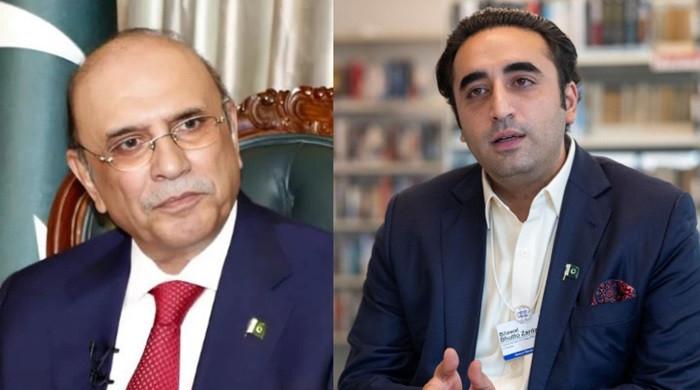
The Sindh division debate just got a lot more personal for Pakistan’s ruling coalition. President Asif Ali Zardari and PPP Chairman Bilawal Bhutto Zardari spent five hours behind closed doors in London this week, and walked out with one message: Sindh stays whole.
The meeting, held at Zardari’s London residence, wasn’t a routine family sit-down. It came at a moment when talk of carving Pakistan into new provinces has moved from op-ed pages into ministerial press conferences — and Sindh has emerged as the flashpoint everyone is watching.
What Happened at the London Meeting
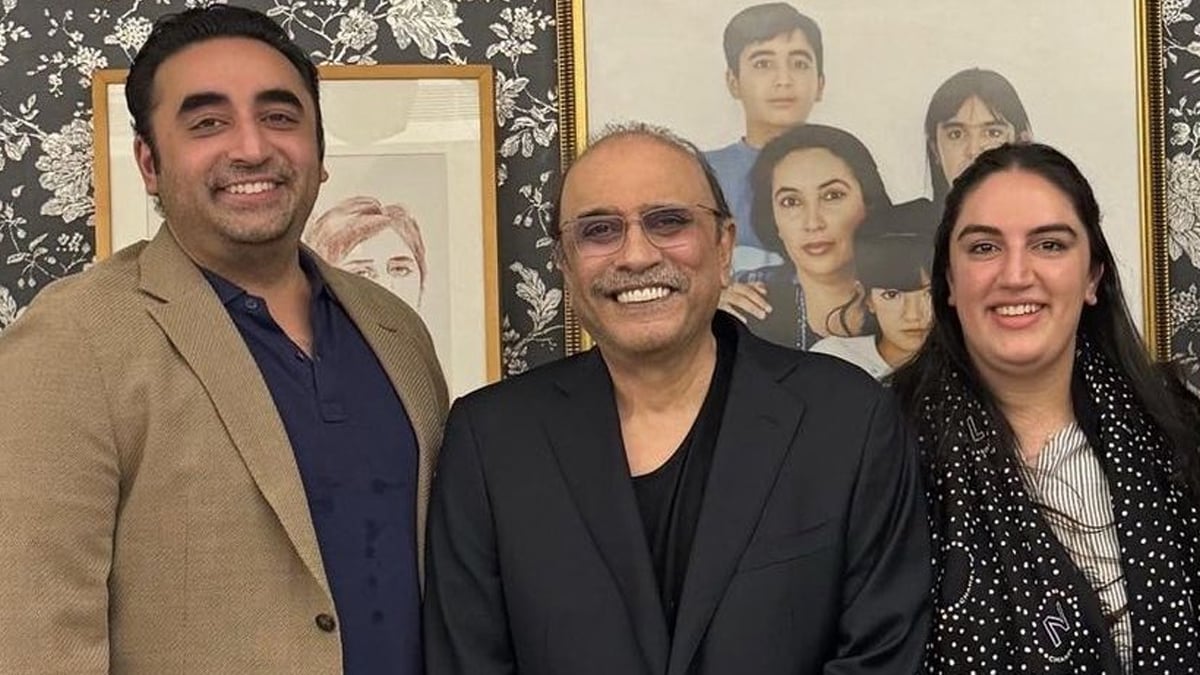
Sindh division was the central item on the agenda when father and son met on September 4, according to sources cited by News. Bilawal’s sister, Bakhtawar Bhutto-Zardari, also attended, and the talks stretched across an unusually long five hours.
Beyond the province question, the meeting touched on Pakistan’s broader political climate and a recent speech by senior PPP leader Faryal Talpur that had stirred internal debate. Bilawal told reporters afterward he would stay in London for a few more days before addressing the media directly.
How the Sindh Division Debate Actually Started
The current Sindh division controversy didn’t begin in London — it began in Islamabad on July 30. Interior Minister Mohsin Naqvi told a televised address that Pakistan’s governance system had “collapsed,” and floated new administrative units as the fix.
READ MORE: Pakistan, Kyrgyzstan sign bilateral accords to strengthen multi-sectoral ties
A day later, ISPR Director General Lt Gen Ahmed Sharif Chaudhry backed the call for debate, noting the population had quadrupled while the provincial map hadn’t changed. Planning Minister Ahsan Iqbal then went further, proposing:
- Creation of 12 to 15 new provinces nationwide
- An alternative of roughly 160 empowered district governments
- A federal committee, formed via the law minister, to study administrative reform
- Splitting each of the four existing provinces into three units, in principle
Sindh Assembly’s Long Record of Rejecting Division
Sindh’s resistance to splitting the province isn’t new — it’s a pattern stretching back to independence. Provincial lawmakers have taken the same position formally on at least five occasions.
| Year | Action |
|---|---|
| 1948 | Resolution against altering Sindh’s boundaries |
| 2000 | Resolution rejecting provincial division |
| 2014 | Resolution reaffirming Sindh’s unity |
| 2019 | Resolution against new administrative carve-outs |
| 2026 | Unanimous resolution passed September 3 |
That final entry matters most right now. Sindh division opponents secured a unanimous vote in the provincial assembly just a day before the London meeting, with PPP lawmaker Nisar Khuhro tabling the resolution amid banners reading “Sindh is the motherland.”
PPP’s Political Stakes in the Sindh Division Row
Sindh division threatens the one province where PPP’s grip on power is nearly unchallenged. Losing territory or seats here would cut directly into the party’s parliamentary weight and its bargaining power inside Shehbaz Sharif’s coalition government.
Chief Minister Murad Ali Shah has been blunt about where authority lies, saying the decision “rests with the assembly” and not with “businessmen from Lahore.” He also warned rivals in the National Assembly against pushing the idea from outside Sindh’s own institutions.
Reaction From Coalition Partners and Rivals
Reaction to the Sindh division standoff has split along predictable lines, with allies and opponents both accusing each other of political opportunism rather than genuine reform intent. Defence Minister Khawaja Asif has accused PPP of double standards.
His argument: PPP previously backed carving South Punjab out of Punjab and Hazara out of Khyber Pakhtunkhwa, so resisting change only when it touches Sindh looks inconsistent. Sindh’s PPP leadership, including Senior Minister Sharjeel Inam Memon, has fired back at MQM-P’s Mustafa Kamal over similar remarks.
What Comes Next in Pakistan’s Provinces Debate

Sindh division now sits at the center of a national argument that Ahsan Iqbal says he’s been building toward for three years, though he has yet to publish a formal reform document publicly.
Iqbal says he’s waiting for Prime Minister Shehbaz Sharif to return from Kyrgyzstan before pressing the matter, while Rana Ihsan Afzal Khan, the PM’s own coordinator, insists no federal committee actually exists yet. That gap between ministers hints at how unsettled this remains inside the government itself.
- Any new province would require a two-thirds majority in both the National Assembly and the relevant provincial assembly under Article 239
- Sindh’s unanimous resolution gives PPP a legal and political shield against unilateral federal action
- The debate is expected to resurface once Sharif returns and Iqbal’s proposed committee is formally taken up
Implications for Pakistan’s Political Future
Sindh division has gone from a policy suggestion to a coalition-testing standoff in under six weeks. Bilawal and Zardari’s five-hour huddle in London signals they see this as an existential fight, not a passing news cycle.
With Naqvi calling the current system broken, Iqbal pushing a 15-province blueprint, and Sindh’s assembly digging in for a fifth time since 1948, the coming weeks will show whether Pakistan’s governance debate produces real reform — or just another stalemate.
Do you think Pakistan’s provinces should be redrawn for better governance, or is this debate really about political survival?