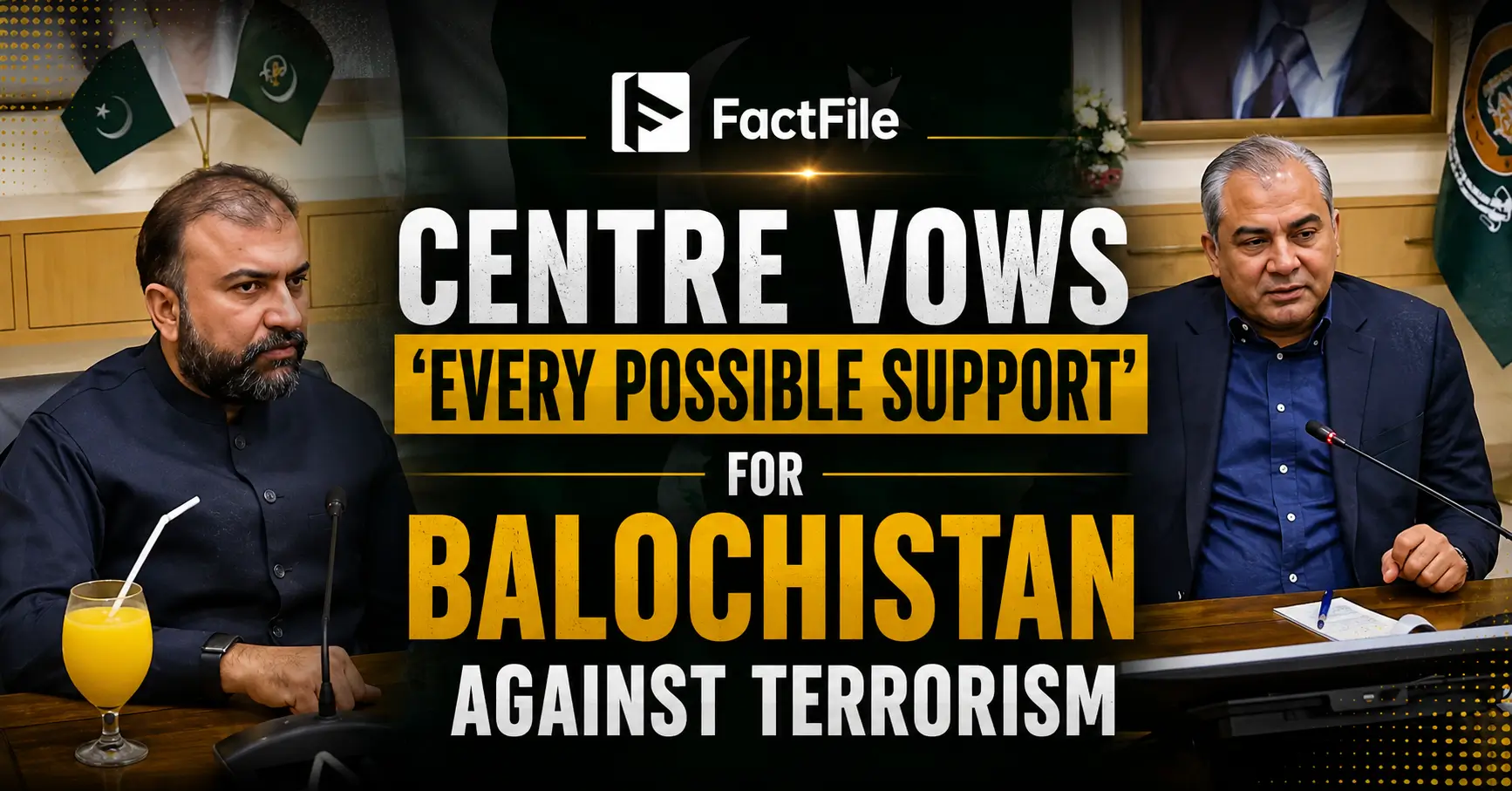

Islamabad has renewed its pledge to stand with Balochistan against terrorism, promising every resource at its disposal as the province absorbs one of its bloodiest years in recent memory.
What Happened in Quetta
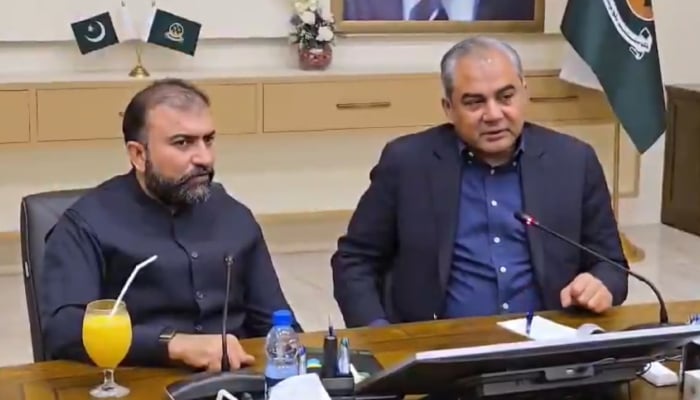
Federal Interior Minister Mohsin Naqvi flew into Quetta on Saturday, July 25, to co-chair a high-level security review with Balochistan Chief Minister Sarfraz Bugti. The message from both men was blunt: the fight against militancy is not slowing down.
Naqvi told the gathering that a coordinated operational approach was “indispensable” and that the federal government would keep extending every possible support for Balochistan against terrorism until peace is restored on a lasting basis. Bugti, for his part, said the province’s writ would be enforced “at all costs.”
Inside the Security Meeting: Key Decisions

The meeting wasn’t just symbolic. Officials walked out with specific commitments attached to dates and departments.
- Enhance the professional capacity of the Balochistan Counter Terrorism Force (CTF) and provincial police
- Accelerate previously approved measures to strengthen the police force
- Draw on the experience of former Balochistan police chiefs in shaping strategy
- Deploy modern technology and improved intelligence coordination between federal and provincial tiers
CM Bugti briefed participants on the province’s security environment and outlined a forward strategy, according to a statement from the Ministry of Interior. The interior ministry, in turn, assured Quetta of full cooperation in providing resources for security infrastructure — a recurring but rarely quantified promise in Islamabad-Balochistan relations.
The Numbers Behind the Warning
Context matters here, and the data explains why this meeting carried extra weight.
According to a Centre for Research and Security Studies (CRSS) report, Khyber Pakhtunkhwa and Balochistan were the epicentres of violence in the second quarter of 2026, together accounting for almost 96% of all violence-linked fatalities nationwide — 61% in KP and 34%, or 265 deaths, in Balochistan alone.
| Metric | Figure |
|---|---|
| Balochistan share of Q2 2026 fatalities | 34% (265 deaths) |
| KP share of Q2 2026 fatalities | 61% (475 deaths) |
| Terrorists killed, Operation Shaban (since July 5) | 117+ |
| Police killed in Ziarat/Mangi Dam attack (July 7) | 27 |
| Compensation to Mangi Dam victims’ families | Rs 11.1 million |
The trigger point for this latest surge was the July 7 assault on a police checkpoint at Mangi Dam in Ziarat, where militants killed and abducted dozens of officers. That single attack reshaped the province’s security calculus for the rest of the month.
Who Are the “Fitna-al-Hindustan” Militants
Pakistani officials increasingly use the term “Fitna-al-Hindustan” for separatist and militant networks operating in Balochistan, alleging India funds, arms, and directs their operations — a claim New Delhi has consistently rejected.
Naqvi has repeated this accusation at multiple briefings this year, insisting the state will expose “the face with which they meet the world” versus the one that “supports terrorists.” For readers outside Pakistan, the label functions less as a formal group name and more as a government shorthand covering several armed factions blamed for attacks across the province.
What “Every Possible Support” Actually Covers

Phrases like this can sound like political boilerplate, so it’s worth unpacking what’s actually on the table for Balochistan against terrorism.
- Training and capacity-building for police, Levies, and CTD personnel
- Resource allocation on a “priority basis” for provincial security infrastructure
- Deployment of federal forces, including Frontier Corps reinforcements, when required
- Intelligence-sharing mechanisms between federal and provincial agencies
Whether these translate into measurable outcomes remains the open question. Similar pledges followed earlier 2026 meetings in March and May, after separate attacks, suggesting a pattern of reactive commitment rather than a standing framework.
Bugti’s Youth and Development Pledge
Security wasn’t the only theme. Bugti used the platform to link counter-terrorism with economic opportunity, arguing that one cannot succeed without the other.
READ MORE: Hamza Shehbaz to Get Key Role in Centre: Sources Say
He said creating opportunities for young people — through education, skills development, and employment — remained among the government’s highest priorities, alongside promoting merit-based advancement to rebuild trust among Balochistan’s youth.
The chief minister closed by tying peace directly to prosperity, pledging simultaneous progress on both security and development fronts, with continued federal backing for ongoing projects across the province.
Background: A Province Under Pressure
Balochistan’s 2026 has been unusually violent even by its own turbulent standards. Since July 5, security forces say Operation Shaban and related intelligence-based raids have killed well over 100 militants, while attacks on police posts, a Quetta shuttle train, and highway checkpoints have killed dozens of security personnel and civilians.
Protests followed several of these incidents, including a highway blockade near Ziarat that was only lifted after Bugti personally negotiated with residents and victims’ families — a sign of how fragile public patience has become even as officials publicize battlefield successes.
Analyst Perspective
Security researchers tracking the province caution that kill counts alone don’t capture whether root causes — economic exclusion, political alienation, and weak local governance — are being addressed.
The CRSS’s own quarterly data underscores this: violence hasn’t declined despite months of intensified operations, it has simply concentrated more heavily in KP and Balochistan. That pattern suggests militant networks are adapting faster than security responses, several regional analysts have noted in recent commentary on Pakistan’s counter-insurgency approach.
What Comes Next
Islamabad’s commitment to stand by Balochistan against terrorism will next be tested by implementation, not rhetoric. Analysts will be watching whether CTF capacity actually expands, whether promised resources arrive on schedule, and whether the youth-development pledges move beyond meeting-room statements.
For a province that has heard versions of this pledge multiple times in 2026 alone, the real story isn’t the vow — it’s whether this round of support looks any different from the last.
Do you think federal pledges of support are translating into real security gains on the ground in Balochistan, or is this cycle repeating without lasting change?