
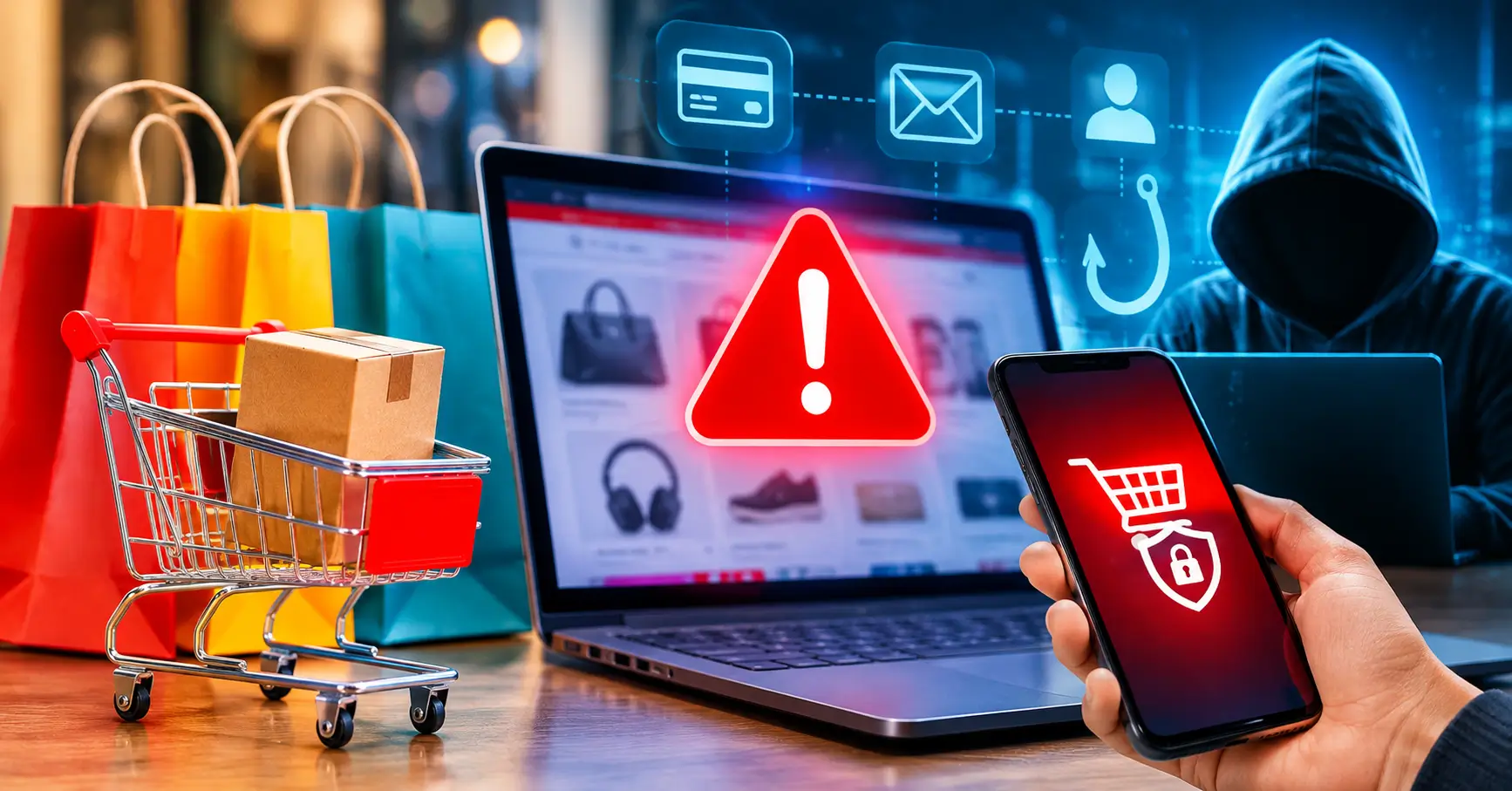

The NCCIA 11.11 Sale Advisory has warned Pakistani consumers about fake shopping websites, misleading discounts and online payment scams ahead of the November 11 shopping event. The agency urged buyers to verify sellers before placing orders.
The warning comes as consumers prepare to take advantage of promotional offers across online shopping platforms. However, fraudulent sellers may exploit the excitement surrounding major sales to steal money and obtain sensitive personal information.
What NCCIA Said About the 11.11 Sale
The National Cyber Crime Investigation Agency issued its public warning on November 10, one day before the annual 11.11 shopping event. Its advisory highlighted the risks associated with unfamiliar websites and unverified social media shopping pages.
The agency encouraged consumers to examine a seller’s reputation and customer reviews before ordering. It also warned against unusually low prices and advance-payment demands, which can indicate potentially fraudulent online shopping activity.
Why Online Shoppers Face Fraud Risks

Major shopping events attract customers looking for discounted electronics, clothing, household products and other everyday purchases. The increased interest in promotional offers can also create opportunities for scammers to approach buyers through misleading advertisements and suspicious online stores.
Fraudulent sellers may attempt to convince customers that an attractive offer will disappear unless payment is made immediately. Buyers who skip basic verification checks risk losing their money or exposing personal information to unknown individuals.
How Fake Shopping Websites Trick Customers
One major concern highlighted by the advisory is the presence of fraudulent online stores. These websites may resemble genuine shopping platforms, making it difficult for inexperienced customers to distinguish legitimate businesses from sellers attempting to deceive them.
READ MORE: Water enters Tarbela powerhouse after rockfall, all workers safely evacuated
Some fraudulent advertisements use attractive product photographs and unusually large discounts to encourage immediate purchases. Customers may discover the problem only after transferring money, receiving no delivery confirmation or finding that the seller has stopped responding.
Warning Signs Every Online Shopper Should Recognise

Recognising suspicious behaviour before completing an order can help consumers avoid unnecessary financial losses. The NCCIA’s warning draws attention to several practices that deserve closer examination, particularly when shopping through unfamiliar websites or social media accounts.
Shoppers should carefully assess promotional claims rather than assuming every advertised discount represents a genuine opportunity. The following warning signs can help customers identify potentially unsafe shopping arrangements before sharing their information or making payments.
Extremely low prices compared with established retailers.
Unfamiliar websites with questionable business information.
Social media sellers without a credible reputation.
Pressure to make immediate advance payments.
Missing or unclear customer reviews.
Unavailable or poorly explained return policies.
NCCIA’s Recommendations for Safe Online Shopping
The agency has advised consumers to purchase products through official and trusted websites instead of relying on unfamiliar sellers. Checking customer feedback and the seller’s reputation can provide useful information before committing to an online transaction.
Its recommendations also emphasise caution around unusually attractive promotional offers. Consumers should avoid making rushed decisions, particularly when sellers demand advance payments without providing convincing evidence of their business identity.
ProPakistani+1
| Shopping safety measure | Recommended action |
|---|---|
Website verification | Use official and trusted websites |
| Seller reputation | Check customer reviews |
Discount offers | Question unusually low prices |
| Payment | Prefer recognised payment gateways |
Advance payments | Avoid suspicious payment demands |
| Returns | Review refund and return conditions |
Secure Payments and Seller Verification

Payment security remains an important part of safe online shopping. The agency’s recommendations include using cards and reputable payment gateways rather than trusting unknown sellers who insist on potentially risky payment arrangements.
Customers should also examine website addresses carefully and confirm that they are using the intended retailer’s official platform. Keeping banking passwords, PINs and one-time passwords private adds another layer of protection against financial fraud.
What to Do If You Become a Victim of Online Shopping Fraud
Consumers who discover suspicious transactions should preserve relevant evidence instead of immediately deleting conversations or payment records. Screenshots of advertisements, seller profiles, website addresses, order confirmations and transaction receipts may help investigators understand what happened.
Anyone who suspects unauthorised access to a bank account should contact their financial institution immediately. Reporting the incident promptly and retaining supporting information can help establish the details required for a formal investigation.
How to Report Online Fraud to NCCIA
Pakistan’s National Cyber Crime Investigation Agency provides official channels for reporting suspected cybercrime. Its website allows citizens to register complaints, while its published guidance also identifies reporting centres and the Pakistan Citizen Portal as available routes.
The agency’s official complaint platform lists its 24/7 helpline as 1799. Consumers can use the complaint portal or contact the agency for guidance about reporting suspected online shopping fraud.
Official reporting channels:
NCCIA complaint portal: https://complaint.nccia.gov.pk/
Cybercrime helpline: 1799
Official website: https://nccia.gov.pk/
Pakistan Citizen Portal: https://web.citizenportal.gov.pk
What the Advisory Means for Pakistan’s Online Shoppers
The November 10 warning highlights the importance of checking online sellers before participating in major shopping promotions. Consumers should understand that an attractive price does not automatically mean a website or social media seller is trustworthy.
The NCCIA has not published specific figures identifying the number of 11.11-related fraudulent stores, affected customers or financial losses. Further official information would help establish the scale of the threat and the effectiveness of consumer protection efforts.