

Pakistan has launched a three-year research initiative to test antibiotic alternatives on Pakistani poultry farms, aiming to reduce antimicrobial treatments by at least 20% while protecting bird health and farm productivity.
The US$540,855 project, announced on October 28, 2026, brings together the Ministry of National Food Security and Research and Denmark-based ICARS. Researchers will evaluate organic acids through a controlled trial involving 30 farms.
Pakistan Launches $540,855 Poultry Antibiotic Research Project
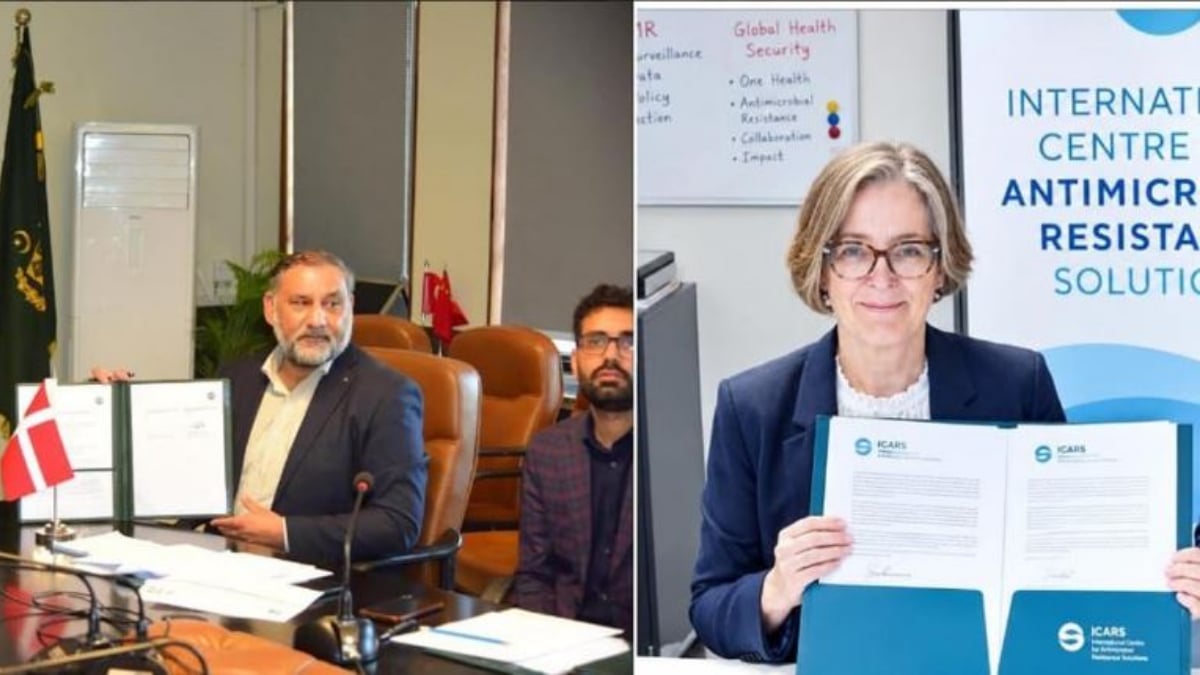
The International Centre for Antimicrobial Resistance Solutions will fund the study, led by the University of Agriculture Faisalabad in collaboration with the Poultry Research Institute in Rawalpindi. The initiative aims to generate practical evidence for responsible antibiotic use.
Federal Minister Rana Tanveer Hussain attended the virtual signing ceremony. He emphasized scientific research, responsible antibiotic use and food security, highlighting the importance of interventions that protect human and animal health without undermining agricultural productivity.
Key project facts
| Project detail | Verified information |
|---|---|
Funding | US$540,855 |
| Duration | Three years |
Research lead | University of Agriculture Faisalabad |
| Collaborating institution | Poultry Research Institute, Rawalpindi |
Funding organisation | ICARS |
| Trial size | 30 poultry farms |
Proposed intervention | Organic acids |
| Reduction target | At least 20% fewer antimicrobial treatments |
How the 30-Farm Trial Will Work
The research will use a randomized controlled trial, dividing 30 participating poultry farms into two groups. Fifteen farms will receive the intervention involving organic acids, while the other 15 will serve as controls for comparison.
Researchers will measure antibiotic consumption, antimicrobial resistance, poultry health and farm performance. Comparing the groups should help establish whether the intervention reduces treatment requirements while maintaining productivity under the conditions studied.
READ MORE: Pakistan upgrades Karachi laboratories to strengthen agricultural safety and exports
The study’s principal target is a reduction of at least 20% in antimicrobial treatments. However, that figure represents an objective rather than a confirmed outcome, and the project’s effectiveness cannot be established until the relevant evidence is collected and analysed.
Why Antibiotic Resistance Matters in Poultry Farming

Antimicrobial resistance occurs when microorganisms develop the ability to survive medicines that previously controlled them. In livestock production, inappropriate or excessive antimicrobial use can contribute to resistance, potentially making infections harder to treat in animals and creating wider public-health concerns.
Pakistan’s poultry sector has attracted research into non-antibiotic approaches for controlling bacterial infections. Earlier initiatives have explored bacteriophages and nutraceuticals, demonstrating that the new organic-acid trial forms part of a broader scientific effort rather than the country’s first investigation into alternatives.
The potential benefits extend beyond farm management. More effective antimicrobial stewardship could help preserve treatment options, support animal welfare and strengthen food-system resilience. Nevertheless, resistance is influenced by multiple factors, so the impact of any single intervention must be evaluated carefully.
What Organic Acids Could Mean for Poultry Health
Organic acids are compounds that may be used in animal nutrition and feed-management strategies. Depending on the formulation and conditions, they can influence the environment within the digestive tract and may help support poultry health or limit certain harmful microorganisms.
The proposed Pakistani trial will assess whether this approach can reduce reliance on antimicrobial treatments without compromising performance. Its findings should help clarify whether the intervention works under participating farms’ conditions, rather than assuming benefits before testing is complete.
The announcement does not specify the exact organic acids, their dosage, administration method or the bacterial conditions being targeted. Those details remain important for understanding how the intervention will work and whether its findings can be reproduced across different production systems.
Research Leaders and Pakistan’s One Health Strategy

The project is being led by principal investigator Dr. Mashkoor Mohsin Gillani and his research team at the University of Agriculture Faisalabad. The ministry’s Animal Health Technical Focal Person, Dr. Syed Muzammil Hassan Gillani, was also acknowledged for his contribution to the initiative.
ICARS Executive Director Helle Engslund Krarup said the partnership would generate scientific evidence on antibiotic alternatives and support efforts to reduce antimicrobial use and resistance. Rodolphe Mader, ICARS Senior Science Advisor for Veterinary Sciences, outlined the randomized trial and its reduction target.
The collaboration follows a One Health approach, which recognizes the links between human, animal and environmental health. The government says the initiative should also contribute to Pakistan’s National Action Plan on Antimicrobial Resistance and strengthen domestic research capacity.
Costs, Farm Productivity and Potential Benefits
Reducing antibiotic treatments is only one measure of success. The research will also assess farm performance and the economic feasibility of adopting organic acids, helping determine whether the approach could be practical for poultry producers beyond the initial trial.
For farmers, any alternative must offer reliable results without imposing unsustainable costs or compromising bird health. The research could provide useful evidence for future decisions, but its wider commercial value will depend on the results and the cost of implementation.
Key questions for the sector include:
- Will organic acids reduce antibiotic treatments by the targeted amount?
- Can farms maintain bird health and productivity?
- Are the costs manageable for commercial poultry producers?
- Can results be replicated across farms with different management practices?
These questions matter because an intervention that works in one setting may not produce identical results elsewhere. Wider adoption should depend on evidence of effectiveness, safety, affordability and practical feasibility.
What the Research Must Prove Next
The three-year study is expected to produce evidence that can inform future decisions on antimicrobial use in Pakistan’s poultry industry. Its value will depend on transparent reporting of trial methods, measured outcomes and economic findings, including any limitations identified during implementation.
The official announcement does not yet provide farm-selection criteria, a detailed budget breakdown, the exact trial timetable or completed results. Publishing these details when available would help farmers, veterinarians and policymakers assess whether the proposed intervention merits wider adoption.
Ultimately, the project offers a testable approach to reducing antimicrobial treatments rather than a guarantee of success. Evidence from the intervention and control groups will be essential to determine whether organic acids can deliver measurable benefits without sacrificing productivity.