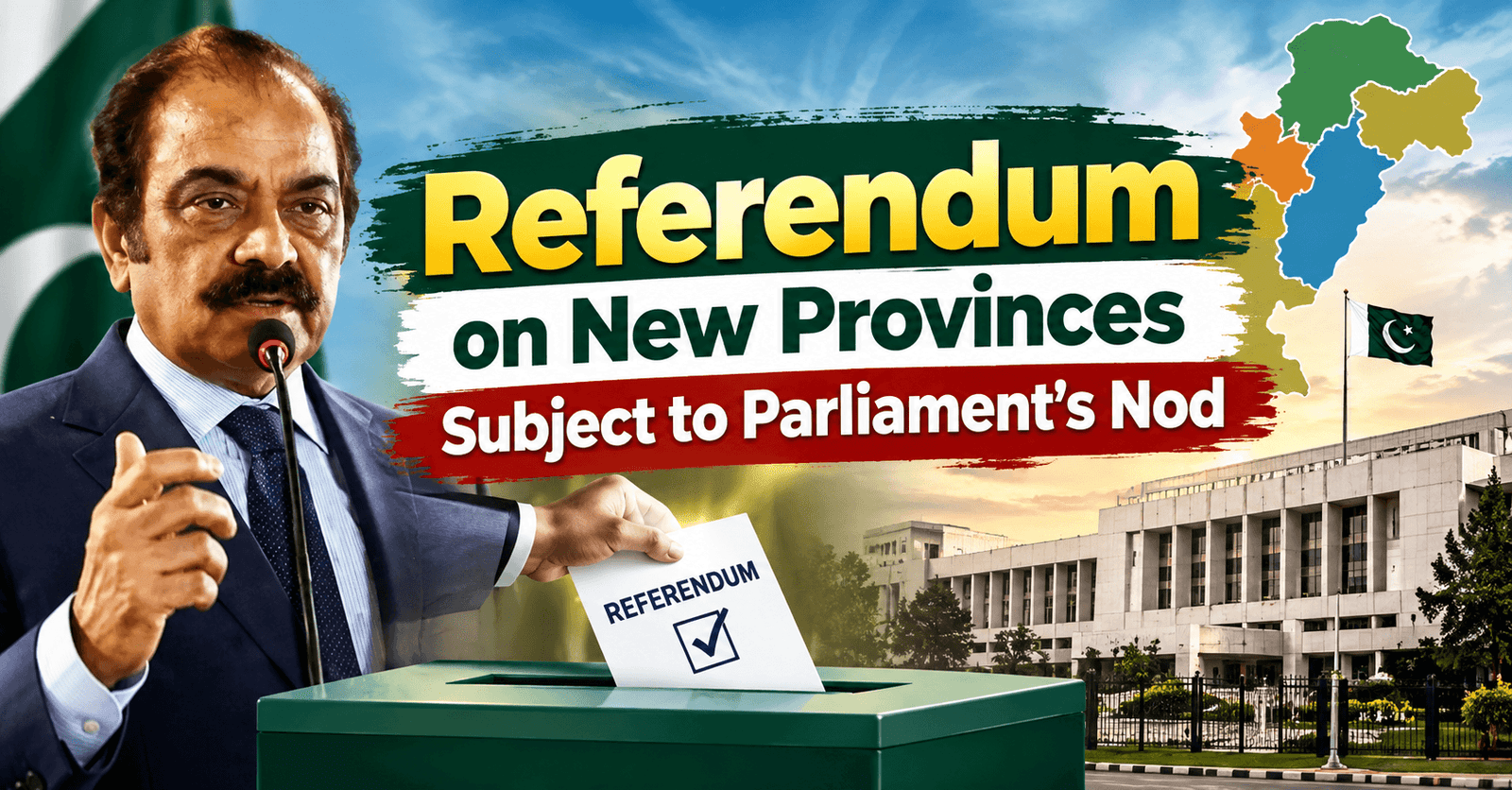

A referendum on new provinces will only happen if Parliament itself gives the green light — that’s the line Rana Sanaullah drew on Saturday, and it’s already reshaping how Islamabad’s biggest structural debate in years will unfold.
Speaking to reporters in Lahore, the Adviser to the Prime Minister on Political Affairs made clear that street pressure and seminar chatter won’t decide Pakistan’s provincial map.
What Sanaullah Actually Told Reporters in Lahore
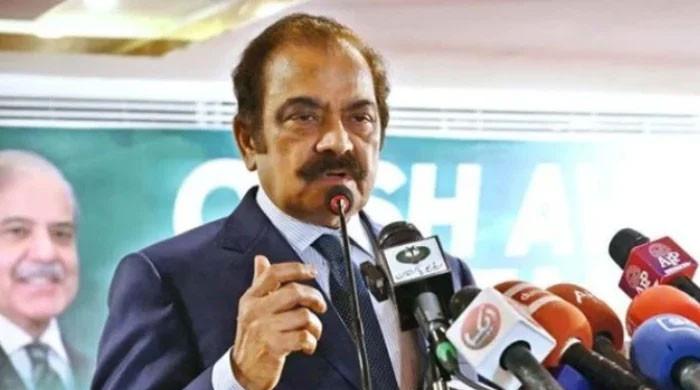
Sanaullah’s message was blunt: the creation of new provinces “has to be decided by parliament,” and a public referendum would follow only after a joint sitting approves the proposal. He insisted debate belongs in the legislature, not economic forums.
He also revealed the matter hasn’t reached the federal cabinet yet, and that his own party, PML-N, is “still consulting” internally before taking a formal position when the issue is tabled.
Why the New Provinces Debate Is Suddenly Front and Centre
This isn’t happening in a vacuum. Planning Minister Ahsan Iqbal has floated splitting Pakistan into 12 to 15 provinces altogether, arguing the current four-province structure can’t govern a population this large.
- MQM-P publicly backed new provinces in August, demanding a national dialogue
- Interior Minister Mohsin Naqvi and Iqbal have both pushed administrative restructuring
- Federal Minister Tariq Fazal Chaudhry confirmed the National Assembly and Senate will formally debate it in October, since neither house sits in September
Key Stakeholders and Where They Stand
Every major party has staked out a different corner of this fight, and none of them fully align. That’s precisely why Sanaullah wants the fight moved indoors, into a chamber where positions must be recorded on the record.
| Stakeholder | Position |
|---|---|
| PML-N (Sanaullah) | Parliament decides; referendum only if joint sitting approves |
| PPP (Bilawal Bhutto) | Debate belongs in National Assembly, not business forums |
| MQM-P | Actively campaigning for new provinces, wants national dialogue |
| Sindh govt (Nasir Hussain Shah) | Open to governance reform, rejects linking it to dividing Sindh |
| Govt (Tariq Fazal Chaudhry) | Islamabad stays federal territory; debate set for October |
The Constitutional Hurdle: How a Referendum on New Provinces Would Actually Work

A referendum on new provinces isn’t a simple ballot exercise — it sits behind a genuinely high constitutional wall. Carving out a new province, or altering an existing one, typically demands a two-thirds majority in a joint sitting of Parliament.
Where an existing province’s boundaries are affected, the concerned provincial assembly’s input is also constitutionally significant. That’s a heavy lift in a fragmented legislature, which is exactly why Sanaullah keeps steering the conversation back toward Parliament rather than public sentiment alone.
PPP, MQM-P and Sindh’s Fault Line
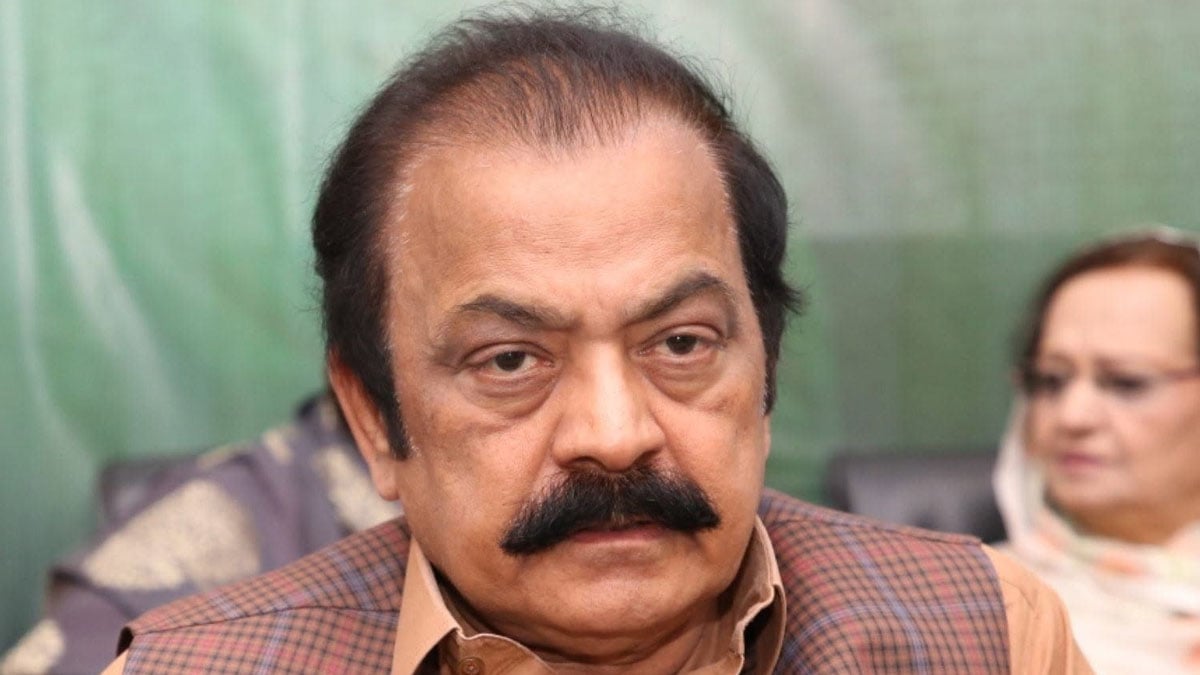
The sharpest tension sits inside the ruling coalition itself. MQM-P’s push for new provinces puts it squarely against PPP, which governs Sindh and has firmly separated “governance reform” from “province division.”
Sanaullah tried to lower the temperature, saying PML-N–PPP relations have “eased considerably” since friction during the Azad Jammu and Kashmir Legislative Assembly elections. Whether that goodwill survives an October floor debate is another matter entirely.
The Long March Backdrop Sanaullah Couldn’t Avoid
The same press conference doubled as damage control on a separate front. Sanaullah appealed to Jamaat-e-Islami to delay its planned long march by a week or two, while PML-N pushes for lower petroleum prices.
READ MORE: PICG Directors’ Summit 2026: Governance & Leadership
He was noticeably warier about Pakistan Tehreek-e-Insaf’s parallel plans, citing unconfirmed reports that some marchers could be armed — a remark that signals real anxiety inside government circles ahead of any Islamabad convergence.
What Happens Next
October now carries real weight. Both the National Assembly and Senate reconvene that month, and Tariq Fazal Chaudhry has already confirmed new provinces will be formally tabled — not floated in another press talk.
Until then, expect more positioning than progress. PML-N is consulting, PPP is watching Sindh, MQM-P is campaigning, and the referendum question stays exactly where Sanaullah wants it: locked inside Parliament’s walls.