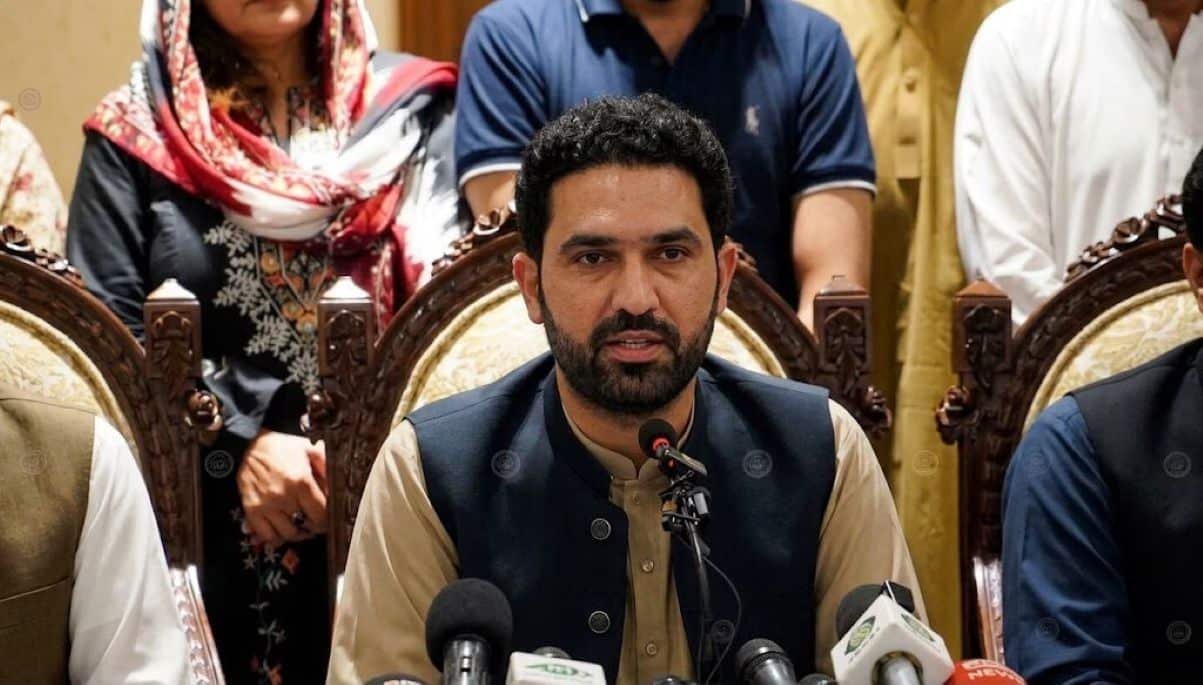


NADRA recently launched chip-less QR Based CNIC for the citizens.
Pakistan’s National Database and Registration Authority widely known as NADRA was established in the year 2000. It emerged from a modest citizen registration office into one of the most sophisticated identity management systems in South Asia. Today, NADRA holds biometric and demographic records for over two hundred million people. Few institutions touch the daily life of an ordinary Pakistani as directly as this one does. The recent QR based technology by NADRA has transformed it into a global leader for citizen identity services.
From opening a bank account to registering a SIM card, NADRA’s Computerized National Identity Card sits at the center of nearly every transaction. Without it citizens cannot vote, travel abroad, or access most government welfare programs. This single document has quietly become the passport to full participation in national life.
Why NADRA Keeps Making Headlines This Year
NADRA has stayed firmly in the news throughout 2026, and not without reason. The authority recently swept three major honours at Pakistan’s inaugural Public Sector Digital Transformation Awards. It won recognition for its PakID mobile application, the Pakistan Online Visa System, and the e-Sahulat financial platform. These wins highlight a broader shift toward citizen-first digital governance across the country.
Federal Minister for Information Technology Shaza Fatima Khawaja personally presented these awards during a ceremony attended by senior officials and technology leaders. The recognition reflects growing confidence that NADRA’s digital infrastructure can compete with global standards. It also signals that Pakistan’s identity ecosystem is maturing rapidly beyond simple card issuance.
Pak ID And the Rise Of Mobile Identity
The Pak ID mobile application allows citizens to verify their identity and access government services directly from a smartphone. This shift matters enormously in a country where physical office visits often mean long queues and wasted working hours. Digital identity verification through a phone app saves both time and administrative cost for millions of users.
Security remains central to this transformation, since identity fraud carries serious national consequences. NADRA has invested heavily in biometric authentication, encrypted data storage, and multi-factor verification protocols. These measures aim to prevent impersonation while keeping the verification process fast enough for everyday practical use.
Expanding Services Beyond the Identity Card
Modern NADRA no longer limits itself to issuing identity cards and birth certificates. The organization now manages the Pakistan Online Visa System, which simplifies travel documentation for foreign visitors and diplomatic missions. It also manages to watch e-Sahulat, a financial technology platform connecting millions of unbanked citizens to formal payment channels.
Through NADRA Technologies Limited its commercial subsidiary, the authority has pushed further into fintech and data verification services. Banks, telecom companies, and government departments now rely on NADRA’s verification systems for know-your-customer compliance. This dependency shows how deeply the institution has embedded itself into Pakistan’s economic infrastructure.
Employment Growth and Nationwide Presence
NADRA’s expansion has created substantial employment opportunities across Pakistan throughout 2026. Recent recruitment drives have opened positions for junior executives, scanning operators, IT professionals, and management-level legal officers. Vacancies have appeared in major cities including Islamabad, Lahore, Karachi, Peshawar, and Sukkur along with smaller regional offices.
This hiring wave reflects the organization’s need to manage biometric updates and growing digital service demand. Officials have noted that expanding services increases the requirement for dedicated administrative and legal staff. The goal remains reducing case backlogs while improving processing times for ordinary citizens seeking documentation.
Challenges That Still Demand Attention
Despite genuine progress, NADRA continues facing criticism over data privacy and occasional service delays at registration centers. Citizens in remote areas sometimes struggle to reach Mega centres or Regional Head Offices for biometric verification. Bridging this urban-rural gap remains an ongoing challenge for an organization operating at national scale.
Data protection also raises legitimate public concern, given how much sensitive information NADRA stores about every citizen. Officials have emphasized firm commitments to international data protection standards and stronger internal legal oversight. Building lasting public trust requires transparent policies alongside continuous technical safeguards against misuse or breaches.
A Model For Digital Governance In South Asia
NADRA’s evolution offers a compelling case study for other developing nations pursuing digital identity infrastructure. Few government bodies manage to combine biometric registration, financial inclusion, visa processing, and mobile applications under one roof. This integrated approach positions Pakistan as an unexpected leader in citizen-centric digital transformation.
As smartphone penetration rises and financial inclusion becomes a national priority, NADRA’s role will only expand further. The organization stands at the intersection of governance, technology, and everyday citizen life. Its next decade will likely determine how efficiently Pakistan navigates the broader shift toward fully digital public administration.
Looking Ahead
NADRA began as a simple registration office and has grown into a cornerstone of Pakistan’s digital future. Its recent award win includes expanding fintech services, and nationwide hiring all point toward sustained institutional momentum. Whether it can match this growth with equally strong privacy protections will shape public confidence for years to come.