
A powerful explosion tore through a mosque inside the Police Lines compound in Kohat, Khyber Pakhtunkhwa, followed by a fierce gun battle between security forces and attackers on Friday. As rescue operations continued through the day, the death toll climbed steadily, turning this into one of the deadliest attacks the region has witnessed in recent months.
The blast took place while the people were gathered for Friday prayers, leaving a community in shock and a nation once again confronting the grim reality of militant violence near its western border.
The Attack
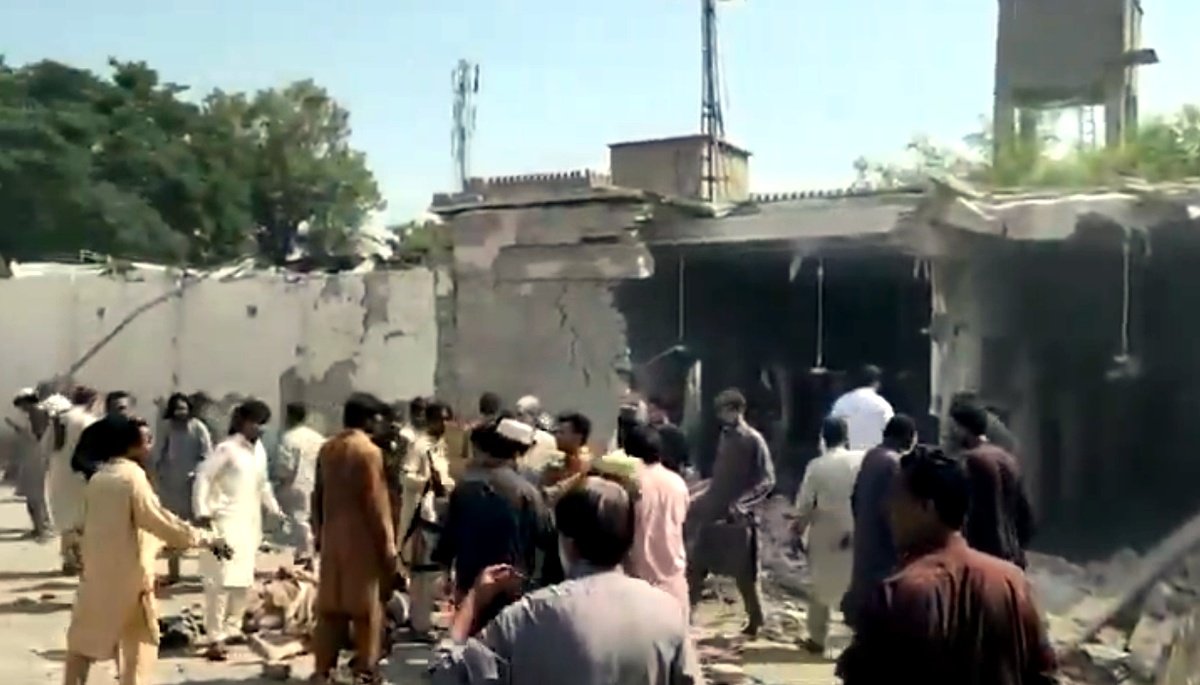
According to police officials, an explosives laden vehicle was targeted and struck into the mosque located within the Kohat Police Lines. The blast was powerful enough to be heard from a considerable distance away, and it left the mosque badly damaged, with the outer wall of the adjoining police station also collapsing under the force of the explosion.
What followed was not a single isolated blast. Gunmen reportedly attempted to storm the compound in the aftermath, triggering an intense firefight with security personnel stationed nearby. Reports indicate that security forces killed several of the attackers during this exchange.
Provincial Police Chief Zulfiqar Hameed confirmed the core details of the attack, describing how the vehicle was driven directly into the mosque structure. Witnesses in the area described a terrifying scene, with the mosque roof collapsing into rubble and a thick cloud of dust spreading over nearby shops and homes.
The Human Toll: Martyrs and Wounded
Casualty figures rose throughout the day as rescue teams worked through the debris. Early reports placed the death toll at around 15, but that number climbed steadily as the full scale of the tragedy became clear. Later reports indicated at least 21 to 27 people had been killed, including a significant number of police officers who had been attending prayers inside the mosque at the time of the blast.
Among the confirmed dead were both security personnel and ordinary civilians caught up in the attack. Dozens more were wounded, with injury counts reported anywhere between 50 and 80 people, many requiring urgent hospital treatment for blast injuries and burns.
Local hospitals were placed on emergency alert as ambulances rushed the wounded from the scene throughout the morning. Rescue workers also continued sifting through the wreckage for hours afterward.
Who Might Be Behind This Attack
A faction of the Pakistani Taliban, commonly known as the TTP, has claimed responsibility for the Kohat attack. The group has been increasingly active in this particular corridor of Khyber Pakhtunkhwa, an area that sits close to the Afghan border and serves as a key route toward North Waziristan, Bannu, and Dera Ismail Khan. All these regions that have witnessed deadly attacks over recent months.
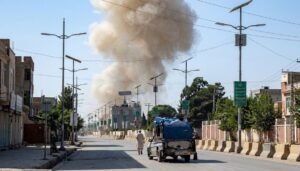
Just one day ago, another tragic event took place, a roadside bomb killed six soldiers traveling in a security convoy in the nearby Hangu district, suggesting a coordinated escalation of militant activity across the wider region rather than a single incident.
Security analysts have pointed to the sophistication involved in planning an attack like this one. Speaking to Al Jazeera, security analyst Michael Semple noted that operations of this complexity require serious planning, logistics, and training beforehand. He suggested the attack fits “into the pattern of the Afghan Taliban providing sanctuary” to militant groups operating training camps across the border. Allegations Pakistan has repeatedly leveled at Kabul, though Afghan officials continue to deny any such involvement.
Government and Army Response
Prime Minister Shehbaz Sharif responded by strongly condemning the explosion at the old Police Lines mosque in Kohat. In his statement, he expressed deep grief over the casualties and directed authorities to ensure that every injured person received immediate and the best possible medical treatment available. He also offered prayers for the swift recovery of those wounded in the blast.
IG Police Khyber Pakhtunkhwa Zulfiqar Hameed reinforced that commitment to accountability, stating that authorities would pursue “those responsible for the attack and their facilitators,” signaling that investigations would extend beyond just those directly involved in carrying out the bombing itself.
Security forces, including army personnel, moved quickly to secure the area following the blast, conducting raids overnight that reportedly resulted in the deaths of several militants linked to the TTP.
For a region that has repeatedly endured this kind of violence over the years, from earlier bombings in Kohat itself to devastating mosque attacks elsewhere in the province, this latest tragedy adds yet another painful chapter to an already difficult security situation along Pakistan’s western frontier.
As investigations for this Kohat attack continue and the wounded receive treatment, the nation once again finds itself mourning lives lost simply for gathering to pray, a reminder of the security challenges that continue to test communities living closest to this border region.