
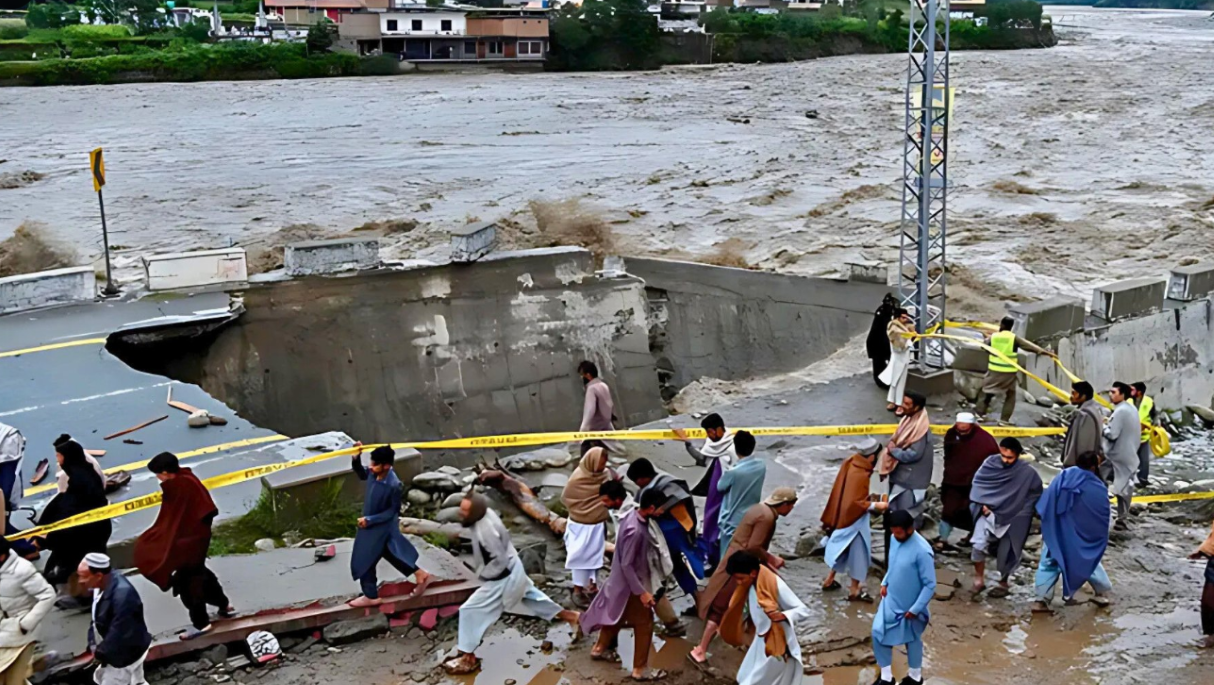

Pakistan Meteorological Department PMD issued a fresh warning on Friday, cautioning of heavy rains, thunderstorms, and possible flooding across several regions from September 12 to 17. It is a severe reminder that even in the season’s final stretch, the threat has not fully passed.
The numbers behind this warning are alarming. Since late June, monsoon related incidents have claimed 183 lives nationwide, with another 515 people injured, according to figures released by the National Disaster Management Authority.
What PMD Is Warning About Right Now
According to the department’s latest advisory, monsoon currents are pushing into the upper parts of the country, bringing rain and thunderstorms to several regions over the coming days. PMD explained the reason behind this fresh spell clearly, noting on its official channel that “a westerly wave is also likely to enter the upper parts of the country and is expected to strengthen further” as the week progresses.
The warning specifically flags flash flooding risks in local streams and nullahs across Kashmir, Murree, Galliyat, and Rawalpindi, alongside landslide dangers in the hilly terrain of Murree and Galliyat. This is not happening in a vacuum either.
It comes less than two weeks after torrential rain flooded low lying parts of Islamabad and Rawalpindi on September 1, pushing water levels dangerously high in Rawalpindi’s Nullah Lai and forcing evacuations. Authorities even declared a local holiday in Rawalpindi at the time.
Separately, the Flood Forecasting Division which operates under PMD, has been tracking river flows closely throughout the season. Earlier bulletins expected moderate rises in the Indus, Jhelum, Chenab, and Ravi rivers, alongside warnings of urban flooding risks in cities including Gujranwala, Sialkot, Gujrat, and Narowal.
Why This Season Turned Out So Unpredictable
Back in June, PMD’s seasonal outlook actually predicted below average rainfall for most of the country between July and September. Director General Dr. Muhammad Afzal addressed this apparent contradiction directly, “Less rainfall does not eliminate the risk of flooding,” he explained, stressing that the real danger comes from short, intense bursts of rain rather than steady totals spread evenly across the season.
That warning turned out to be exactly right. Even with below normal seasonal totals, isolated but extremely heavy rainfall events repeatedly overwhelmed drainage systems and river capacities in cities that simply were not built to handle sudden, concentrated downpours.
September’s own outlook, published by PMD earlier this month reflected the same pattern expecting a generally dry month nationwide while still explicitly warning of flash flooding, urban flooding, and hill torrents, particularly across southern Punjab and Balochistan.
Which Areas Have Been Hit the Hardest
Khyber Pakhtunkhwa and Punjab have borne the brunt of this year’s flooding, based on tracking throughout the season. Mountainous terrain in KP has made flash flooding especially dangerous there, since heavy rain in higher elevations can send sudden torrents rushing down into populated valleys.
Urban flooding has been a problem in major cities. Islamabad, Rawalpindi, and several Punjab districts have repeatedly dealt with waterlogged streets and overwhelmed drainage systems. Whenever intense rain spells hit regardless of how the broader seasonal totals looked.
Pakistan’s monitoring setup has tried to keep pace with this unpredictability, combining PMD’s network with real time river tracking and rapid response coordination through Rescue 1122 and NDMA. Making sure that evacuation efforts begin within hours of rising water levels being detected.
Beyond direct flooding, PMD’s June outlook flagged other compounding risks too, including above average temperatures across northern Punjab and Gilgit-Baltistan. Warmer conditions there have accelerated glacier melt, raising separate concerns about glacial lake outburst floods layering on top of already stretched flood response resources.
What Comes Next as the Season Winds Down
Pakistan’s monsoon season typically stretches from late June through early September, though occasional rain spells can continue trailing into late September, exactly the pattern going on right now. With this fresh warning covering September 12 through 17, authorities are urging residents in flood prone districts to stay alert even as the season technically nears its close.
For families in vulnerable areas, particularly around Murree, Galliyat, and low lying parts of Rawalpindi and Islamabad, the message from officials remains consistent. Monitor local advisories closely, avoid unnecessary travel through flood prone routes during active rain spells.