
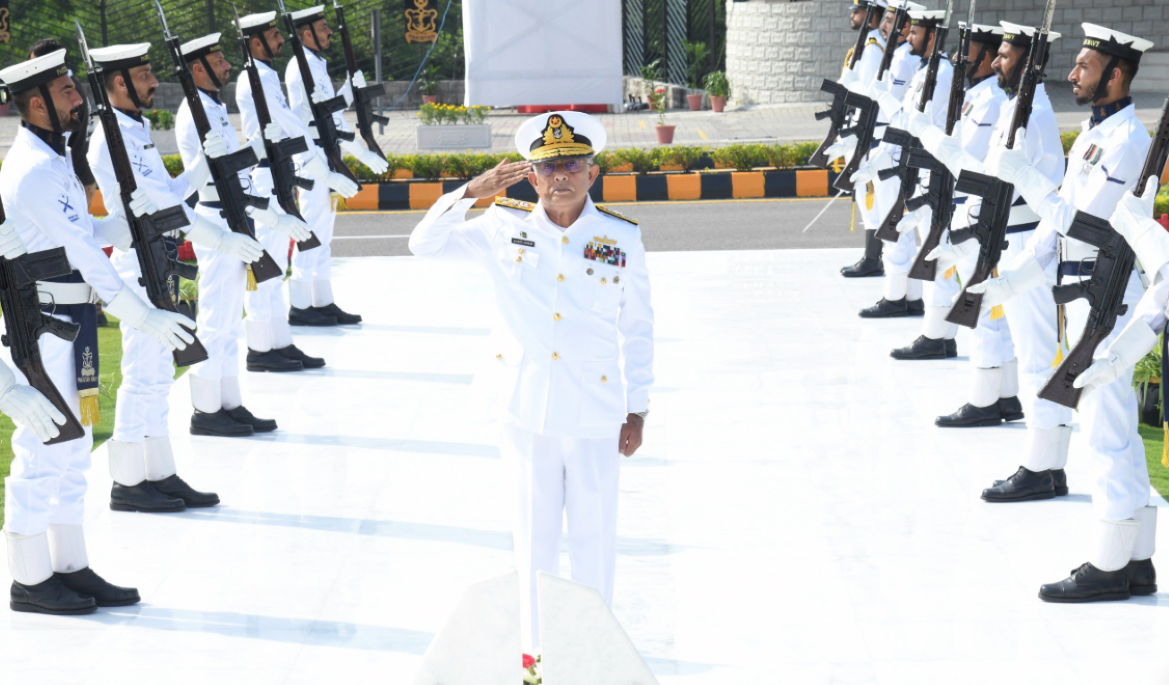

Between a massive military exercise, a solemn Navy Day, and the tragic loss of two young sailors, Pakistan Navy has been at the center of national attention lately.
The Sea Spark 2026 Exercise
Karachi’s coastline turned into a stage for serious military exercise earlier this month. Pakistan Navy kicked off its largest maritime exercise of the year, named Sea Spark 2026. Warships, submarine, fighter jets, drones, marines and special forces units. All of them showed up together in a coordinated test of combat readiness. Chief of the Naval Staff Admiral Naveed Ashraf personally led the opening briefing. He was joined by senior officers from across the armed forces, not just the navy.
According to the military’s press wing ISPR the drill was built around testing the force against both old and new dangers, bringing ships, submarines, aircraft, drones, marines and special forces together in one coordinated effort. That is a long list of moving parts, and getting them to work together smoothly is no small task.
During the exercise, the Naval Chief did not just watch from the sidelines. He visited fleet units directly and reviewed ongoing operations up close. Officials say the timing reflects growing global concern around drone warfare and cyber threats, both of which are reshaping how navies everywhere think about defense.
Navy Day Brought a Wave of National Pride
Just days after the drills wrapped up, the country paused for something different. September 8 marked Pakistan Navy Day and this year’s observance carried extra weight. The date commemorates a historic 1965 operation, when Pakistan Navy struck Indian coastal radar installations near Dwarka.
Admiral Naveed Ashraf laid a floral wreath at the Shuhada Monument in Islamabad that morning. He offered prayers for the sailors who lost their lives defending the country over the decades. It was a quiet moment, but a powerful one, especially given what followed just a day later. Leaders from the very top of government also joined in.
Prime Minister Shehbaz Sharif called the navy a technologically advanced protector of Pakistan’s waters, crediting years of steady, native modernization. In his own words, he said the force today stands as “a robust and technologically advanced sentinel of our seas.” President Asif Ali Zardari said similar sentiments he pointed back to the 1965 mission as proof of the force’s long-standing courage, calling it a reminder of the navy’s glorious history and unmatched resolve during difficult times.
Social media filled up with old photos of naval ships, tributes from citizens, and messages honoring sailors who serve far from the spotlight most of the year.
Grief Followed Celebration Far Too Quickly
Then came the news nobody wanted to hear. Just a few days after Navy Day celebrations, tragedy struck. Two young naval personnel, Shoaib ur Rehman and Ghufran Nasar, lost their lives while carrying out routine patrolling duties at sea.
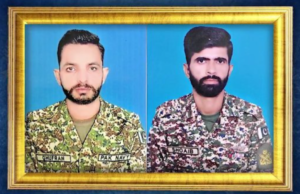
The announcement came through the Directorate-General of Public Relations DGPR, Navy on social media. It was brief, direct, and heavy with sorrow. Admiral Naveed Ashraf expressed deep grief over their deaths, and senior naval officials personally attended the funerals of both sailors. They also met the grieving families in person, a gesture that many online described as deeply moving.
This loss landed differently it arrived right after a week filled with pride, drills, and national tributes. Suddenly, the human cost behind all that strength became painfully visible.
Why This Matters Beyond the Headlines
Pakistan Navy is not just conducting routine drills or marking symbolic dates. It is actively adapting to newer threats, from drone technology to cyber warfare, while still carrying the weight of decades old sacrifices.
The exercise showed strength. Navy Day brought reflection. And the loss of two young sailors reminded everyone what real service actually costs.