
Fuel prices in Pakistan have been changing almost every single day this month. The government raised both petrol and diesel rates once again this week.
This constant movement has left households and businesses struggling to plan their budgets. Understanding these changes helps ordinary people prepare for rising daily costs.
The Newest Price Hike Explained

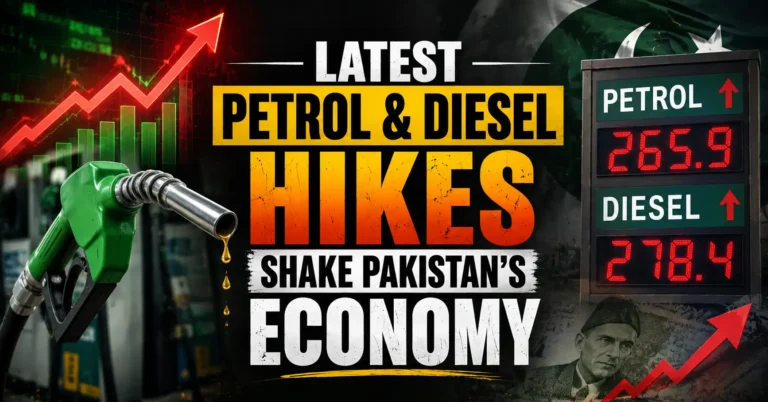
According to the latest official notification petrol now costs Rs341.59 per litre. This marks an increase of Rs3.81 compared to the previous rate. High speed diesel has also climbed to Rs368.29 per litre this week. That represents a rise of Rs3.59 per litre from the earlier price.
The Petroleum Division confirmed these updated rates on August 21, 2026. The revised prices officially took effect starting from August 22 nationwide. These figures came directly from the Ministry of Energy’s latest notification.
Why Prices Keep Changing so Often
Pakistan shifted from fortnightly pricing to a daily adjustment system recently. This change began on July 21, amid rising tensions between global powers. Renewed conflict involving the United States and Iran unsettled international oil markets sharply.
The government said daily pricing helps local rates match global market movements faster. The Oil and Gas Regulatory Authority now calculates rates using a seven day rolling average. This average tracks international crude oil benchmarks and import cost changes closely. Officials believe this method keeps domestic prices realistic during volatile global conditions.
A Rollercoaster Month For Fuel Rates

August alone has seen dramatic swings in both petrol and diesel prices. Early in the month, petrol dropped to Rs327.62 per litre. Diesel also fell during that same short period of relief. Then prices climbed sharply again, with diesel briefly touching Rs395.69 per litre.
Just one day later diesel dropped by a massive Rs32.63 per litre. Such large single day swings are unusual and have confused many everyday consumers. Petrol meanwhile has moved upward more oftenly across most of this month.
Dealers Push Back Against Daily Pricing
Fuel station owners have strongly opposed the new daily pricing mechanism. The Pakistan Petroleum Dealers Association held lengthy talks with government officials recently. These discussions lasted around five hours but ended without a final agreement. Dealers had threatened a nationwide strike over frequent and unpredictable price changes.
The Federal Petroleum Minister expressed disappointment over their tight negotiation deadline. Dealers eventually paused their protest after receiving assurances from the minister directly. However, tensions between fuel sellers and the government remain far from fully resolved.
Understanding Petrol Versus Diesel Usage
Petrol mainly powers cars, motorcycles, and small three wheeled rickshaws across Pakistan. Diesel by contrast fuels heavy trucks, buses, and agricultural machinery nationwide.
This difference matters because diesel price changes affect transport costs directly. Petrol and diesel together generate massive monthly sales exceeding seven hundred thousand tonnes combined. This scale shows why fuel pricing decisions carry such huge economic weight.
How Rising Fuel Costs Hit the Economy

Higher diesel prices quickly raise costs for trucking and heavy cargo companies nationwide. These businesses often add expenses onto retailers and wholesale goods suppliers. This chain reaction eventually pushes up prices for everyday household items and groceries.
Public transport fares also tend to rise following major diesel price increases. Petrol hikes hit private vehicle owners and commuters more directly and immediately. Rising fuel costs can worsen inflation, making life harder for lower income middleclass families especially. Businesses relying on delivery and logistics face shrinking profit margins during these hikes.
What Determines Pakistan’s Fuel Prices
Global crude oil prices heavily influence what Pakistan pays for imported fuel. Since oil trades in US dollars, currency exchange rates matter significantly too. A weaker Pakistani rupee makes imported fuel more expensive in local terms.
The government also adds a Petroleum Development tax on top of base prices. General sales tax further increases the final price paid at pumps. Together these factors combine to determine what motorists ultimately pay nationwide.
Looking Ahead For Consumers
Experts warn that global instability could keep causing sudden price swings ahead. The next price review will happen through OGRA’s midnight calculation process again.
Consumers are advised to monitor official notifications for the most accurate rates. Businesses may need flexible budgeting to handle these frequent daily cost changes. For now motorists and transporters must adjust to an unpredictable fuel pricing era.