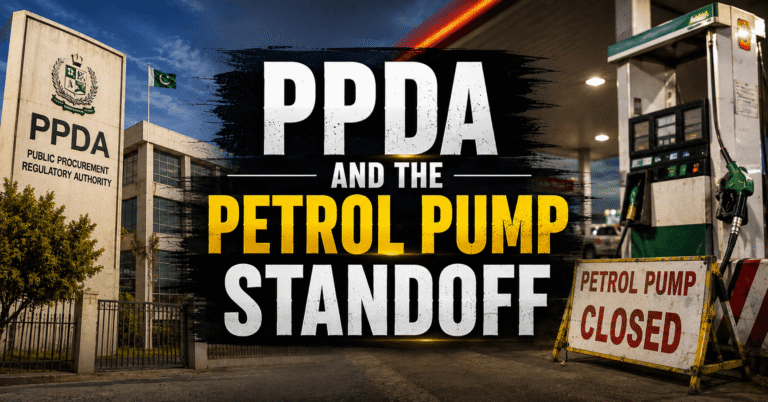

PPDA Crisis That Almost Stopped The Country
Pakistan came dangerously close to a nationwide fuel shutdown this August. The Pakistan Petroleum Dealers Association widely known as PPDA, threatened to close every petrol pump. This body represents around fourteen thousand dealers spread across all four provinces. Their standoff with the federal government captured national attention within just a few short days.
Ordinary citizens watched nervously as headlines warned of an approaching fuel drought. Motorbike riders and car owners feared long queues and empty petrol stations. For a country still recovering from economic pressure this threat felt genuinely alarming to many citizens.
What Sparked The Dealers Anger

The dispute centered on two connected issues that dealers found deeply unfair. First PPDA wanted their profit margin fixed as a percentage of fuel price. They demanded an eight percent margin instead of a flat rupee amount per litre. Dealers argued that currency devaluation made fixed margins unsustainable for their daily business.
Second, the association opposed the government’s system of daily price adjustments. This mechanism changes petrol and diesel prices every single day based on market rates. Dealers claimed this constant fluctuation created serious uncertainty for their retail operations. They wanted a more stable and predictable pricing structure instead.
The Fifteen Day Countdown Begins
Earlier negotiations had produced a fragile agreement between dealers and the petroleum ministry. The government promised to resolve outstanding grievances within a fixed fifteen day period. When that deadline quietly expired without any real progress, tensions rose sharply again. PPDA leaders felt the government had simply failed to honour its earlier promise.
A Tense Five Hour Meeting In Islamabad
PPDA delegation travelled to Islamabad for crucial talks with the petroleum minister. The delegation included senior figures like Vice Chairmen Tariq Hassan and Anwar Kamal. Representatives from Sindh, Punjab, and Khyber Pakhtunkhwa also joined this important discussion. The meeting stretched on for nearly five exhausting hours without reaching real agreement.
Federal Minister for Petroleum Ali Pervaiz Malik refused to scrap the daily pricing mechanism entirely. He did offer a small margin increase of one rupee and thirty four paisa. However dealers rejected this offer as inadequate compared to their original demand. The minister also expressed visible displeasure over the dealers seventy two hour ultimatum.
Talks Collapse And The Strike Is Announced

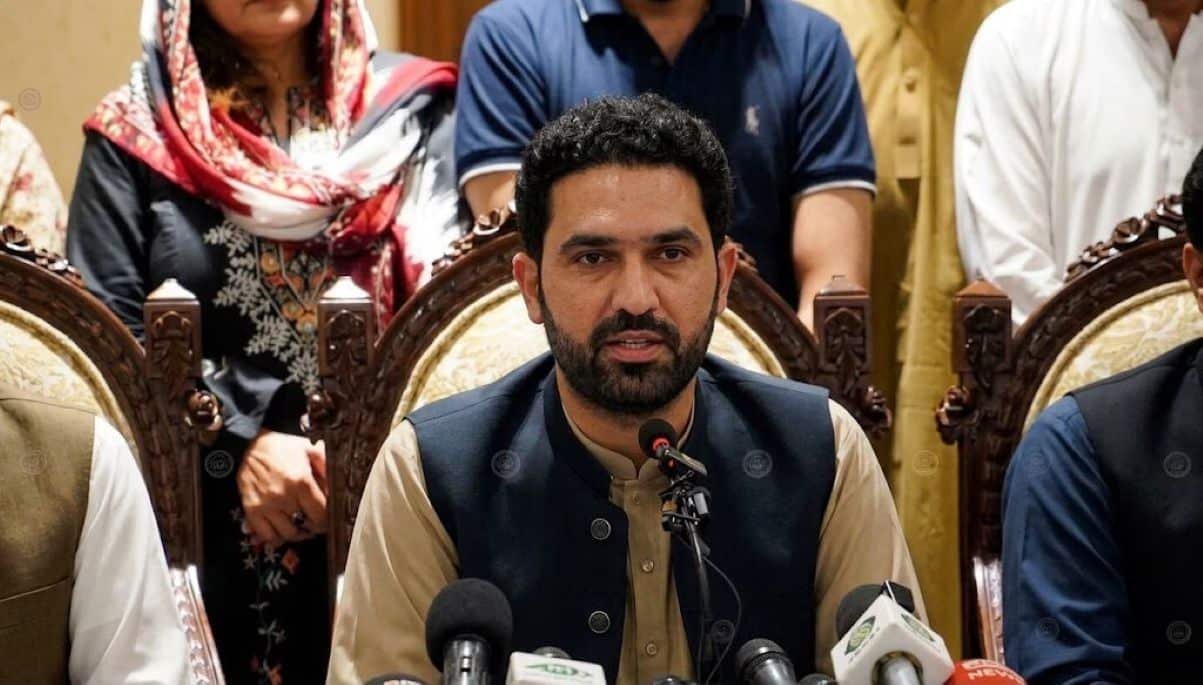
Following this frustrating deadlock, the PPDA delegation immediately left Islamabad for Karachi. Chairman Baksh announced that negotiations had officially failed to produce any lasting solution. The association confirmed plans for an indefinite nationwide strike starting Saturday morning August 15. Every petrol pump across the country was expected to remain closed.
This announcement worried transport companies, factory owners, and everyday commuters across Pakistan. The timing proved especially troubling since a separate transport strike was already underway. Goods carriers under the All Pakistan Goods Transport Alliance had also paused their operations. Together, these disruptions threatened serious supply chain problems nationwide.
A Last Minute Phone Call Changes Everything
Just before the strike deadline arrived, an unexpected breakthrough finally emerged. Petroleum Minister Ali Pervaiz Malik personally called Chairman Baksh for a long conversation. According to reports, this phone call lasted roughly thirty minutes and covered key demands. The minister assured Baksh that dealer margins would indeed be increased soon.
Baksh announced at a Karachi press conference that the strike would now be postponed. He explained that the Prime Minister had approved the promised margin increase personally. A formal summary was then sent to the Economic Coordination Committee for final approval. This last minute development brought welcome relief to anxious citizens across the country.
The Government Finally Approves A Margin Hike

The Economic Coordination Committee met soon after under Finance Minister Muhammad Aurangzeb’s leadership. Committee members formally approved the promised revision in petroleum dealers’ margins nationwide. The dealer margin rose by one rupee and thirty four paisa per litre. This pushed the total margin close to ten rupees per litre overall.
Officials also confirmed that a separate proposal regarding daily pricing would reach the Prime Minister. PPDA had specifically requested changes to this volatile pricing mechanism during earlier talks. Whether this bigger structural demand gets addressed remains uncertain for the coming months.
What This Standoff Reveals About Pakistan’s Fuel Sector
This episode highlights how fragile Pakistan’s fuel distribution network can sometimes become. A single unresolved dispute nearly paralyzed transportation and commerce across an entire nation. It also shows how organized trade associations can pressure government decisions through collective action. Fourteen thousand dealers speaking with one voice proved remarkably difficult to ignore.
For everyday Pakistanis, the crisis served as a stark reminder of economic vulnerability. Fuel touches nearly every part of daily life, from transport to food prices. When petrol supply feels threatened, public anxiety spreads quickly across cities and villages alike.
Looking Toward The Next Round Of Talks
Although the immediate strike threat has passed, deeper tensions remain far from resolved. Dealers still want their core demand addressed regarding the daily pricing mechanism. Government officials must now decide whether further concessions are politically and financially possible. Both sides will likely face each other again at the negotiating table soon.
For now petrol pumps remain open and fuel keeps flowing across Pakistan’s highways. But this recent standoff proves how quickly calm can turn into genuine crisis. Citizens and businesses alike will be watching closely for what comes next.